Fallout 76 Beginner's Guide (2026) — What to Do First and How to Survive
When you first step out of Vault 76, everything can feel overwhelming when you don’t see another human, and then suddenly, in the forest, you encounter enemies, radiation, hunger, and thirst. Start by taking your time to explore nearby areas. Loot every container you can, but don’t over-encumber yourself. Early on, focus on wood, adhesive, and purified water; these resources are the backbone of crafting and survival.
One of the best ways to get around and unlock places that may be too high a level or too far to reach is to fast-travel to other players’ camps. These areas are already revealed on the map, so you can safely loot and explore new locations. Just be careful. Some high-level areas still have strong enemies. If you manage to find a piece of Chameleon armor, equip it. This gear helps you sneak around undetected, which is invaluable when exploring high-level or dangerous zones as a beginner.
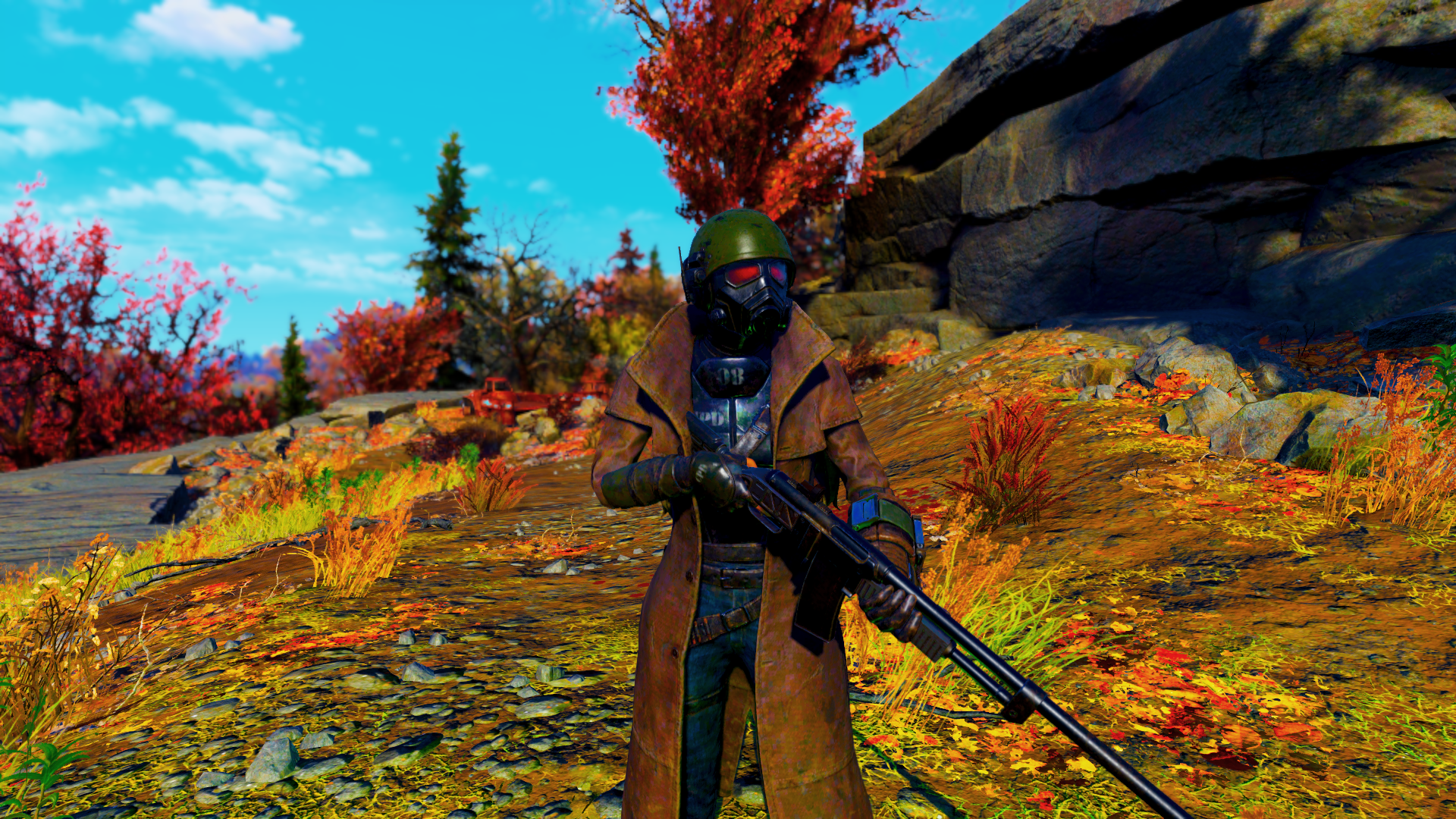
Fallout 76 Ranger Outfit from Fallout 1st
Armor and Apparel
As a beginner, leather and combat armor are the most common gear drops. They’re easy to repair and provide decent protection without heavy requiring resources. You can find pieces of armor from:
Looted enemies (Scorched, Raiders)
Early quest rewards
Armor, like weapons, lose durability. Repair armor regularly at the armor workbench or with a repair kit before it breaks completely. Don’t overinvest in rare pieces too early. Save high-end gear for when you’re comfortable going to dangerous zones.
You can find clothing pieces and outfits like jeans and t-shirt, suits, and more while scavenging. You will also earn apparel as rewards from doing events and completing missions from The Responders, The Brotherhood of Steel, and more. You can also purchase apparel outfits and pieces from the Atom Store.
Early Game Crafting and CAMP Setup
Your beginner’s journey will take you to The Wayward, where you will find a CAMP set up for you and other fresh vault dwellers. There you will learn how to use crafting benches and set up your own CAMP. Crafting benches let you craft and upgrade weapons and armor, craft healing items like stimpacks and healing salves, and even cook food.
Your CAMP isn’t just a base; it’s your mobile home. Try to find a resource-rich area for easy farming—like wooded areas for, well, for wood, and stream or river for water source. And add a stash box for storage early on. You can move your CAMP almost anywhere you’d like whenever you want. And now, you have the option place multiple CAMPS. Though, you can only have one active at a time.
When you place your CAMP, remember to craft:
A bed (for XP bonus from Well Rested)
A stash box
Cooking station
Weapons and armor workbenches
Those are you most important items when you first begin to set up your own CAMP. You’ll find Plans around the Wasteland for furniture, tools, and more that will make your CAMP feel more like home.
Quests and Progression
Like most RPGs, it’s best to focus on the main quests and local side quests for decent XP and resources. You do not need to worry about faction reputation just yet. But it is a good idea to make your way to Toxic Valley to become a Pioneer Scout. And, just in case, here are the easiest Pioneer Scouts challenges to complete.
Participate in Events across the map. Some Events cost caps for travel, and some are free. Regardless, traveling to events for the first time unlocks that area. Also, don’t be afraid to join events that are a higher level when you see multiple players there. One of the best things about Fallout 76 is the community and helpfulness of the players. These events give you weapons, gear, resources, apparel, and more as rewards.
Leveling and Perk Cards: Build Smart From the Start
One of the biggest mistakes you can make early in Fallout 76 is grabbing perk cards at random. Though Perk Card packs are random, you can still look out for certain Perks to make your leveling experience better.
When you level up, think about how you actually play.
If you prefer rifles and ranged combat, build up your Perception for Rifleman perks. If you like getting up close with shotguns or melee, lean into Strength. If you find yourself constantly over-encumbered (you will), Strength perks like Pack Rat or Traveling Pharmacy make life dramatically easier.
Here’s a simple beginner-friendly approach:
Levels 1–10: Focus on survivability and carry weight.
Levels 10–25: Start specializing in one weapon type.
After 25: Refine your build and drop perks you don’t use.
Don’t worry about “ruining” your build. You can swap perk cards at any time, and later on you’ll unlock more flexibility. Early on, consistency matters more than perfection.
Best Beginner Weapons (And Where to Find Them)
You don’t need legendary gear to survive your first 20 levels. You need reliability and accessible ammo.
Here are strong beginner options and how you’ll likely get them:
Pipe Weapons
You’ll find Pipe Pistols and Pipe Rifles everywhere in early-game areas like The Forest. Scorched enemies, especially, drop them constantly. They’re not glamorous, but ammo is cheap and plentiful.
Upgrade the receiver as soon as you can. Even small mods noticeably increase damage.
10mm Pistol
Reliable, easy to use, and common. You can loot these from Scorched as well as find them in containers, lying on tables, floors, etc. in early towns. Ammo is widely available, making it a safe choice while you build resources.
Hunting Rifle
Hunting Rifles are another weapon that is plentiful early on. If you like distance and precision, this is one of the best early weapons to adventure with. You can often find one in cabins, ranger towers, or on certain enemy drops. Mod it with a better scope when possible and lean into stealth damage bonuses.
Combat Shotgun
For close-range fights, especially indoors, the combat shotgun is your best friend. Combat shotguns begin to drop at around level 20 and can sometimes be found in small settlements. They pair extremely well with stealth and Strength builds.
Early ammo is limited, so focus on weapons that use common ammo types. You’ll thank yourself when scavenging. Modding these weapons with basic upgrades like receiver or sight improvements can significantly increase damage and accuracy.
Oh! And don’t forget to repair your weapon regularly. The last thing you want is to be in the middle of a fight and your weapon breaks completely.
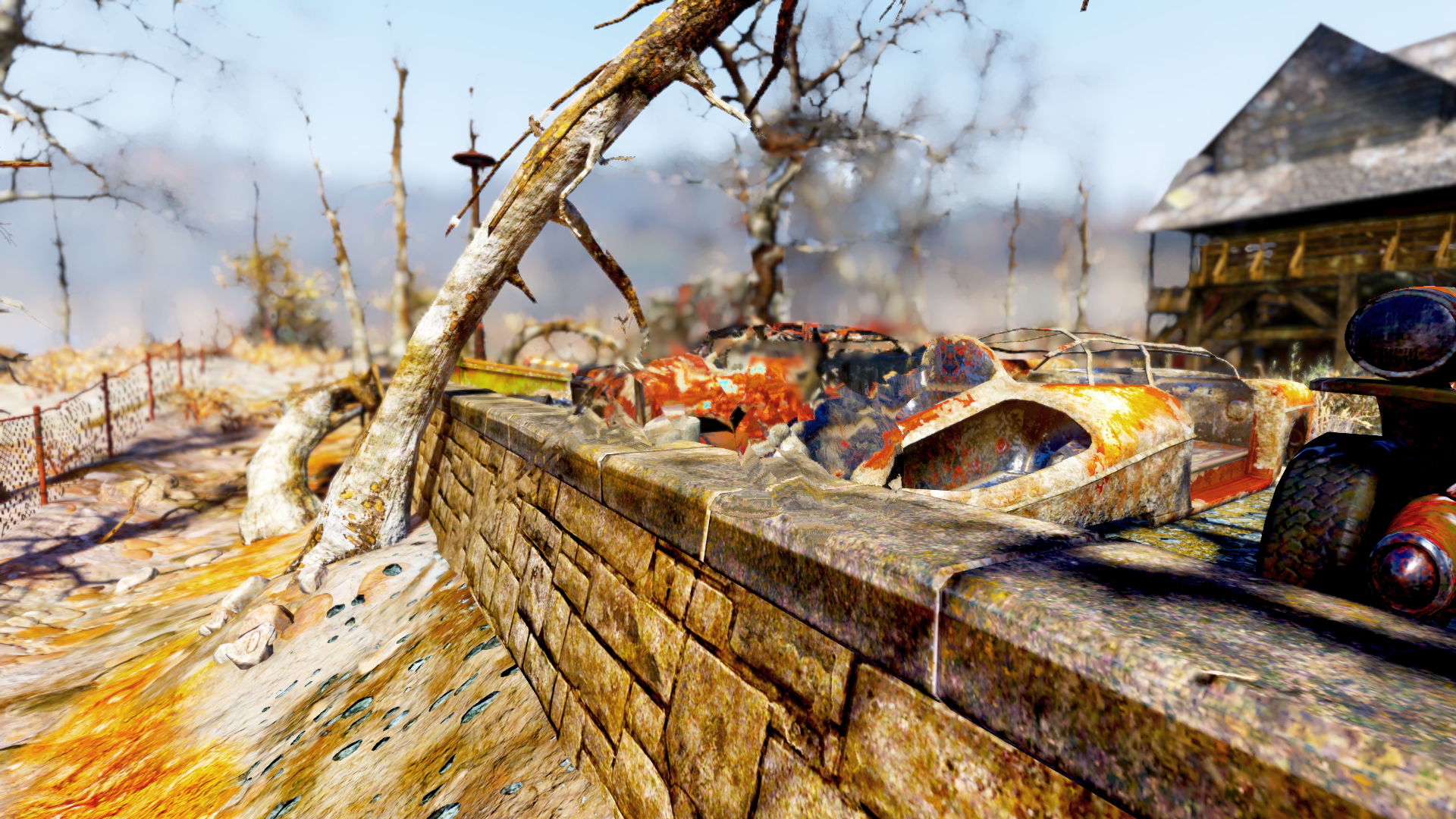
Just one piece of armor with the Chameleon trait camouflages you while crouched. Can you find me?
Quick Weapon Advice
Don’t hoard weapons you don’t use. Scrap them to unlock mods, or vendor for caps.
Pick one primary weapon type and stick to it. You can have multiple builds thanks to the Punch Card Machine found at every train station and can be built at your CAMP.
Always check vendors for plans and ammo. Sometimes you’ll find an upgrade you weren’t expecting.
Be Smart: Don’t Fight Everything
One of the best survival habits you can develop early is restraint. Trust me. Sometimes, it’s best to not run into an area guns blazing when you’re only level 10.
As tempting as it may be, you don’t need to kill every enemy you encounter.
If you fast-travel to a player camp near a high-level region like the Cranberry Bog, use it as a reconnaissance mission:
Discover map markers
Loot containers
Grab plants and crafting materials
Leave quietly
If you’re spotted, disengage. Live to level another day.
Early Resources to Stock Up On
If you focus on nothing else, collect these:
Adhesive (for weapon and armor repairs)
Wood (crafting and cooking)
Steel (ammo and weapon crafting)
Purified Water
Stimpaks and RadAway
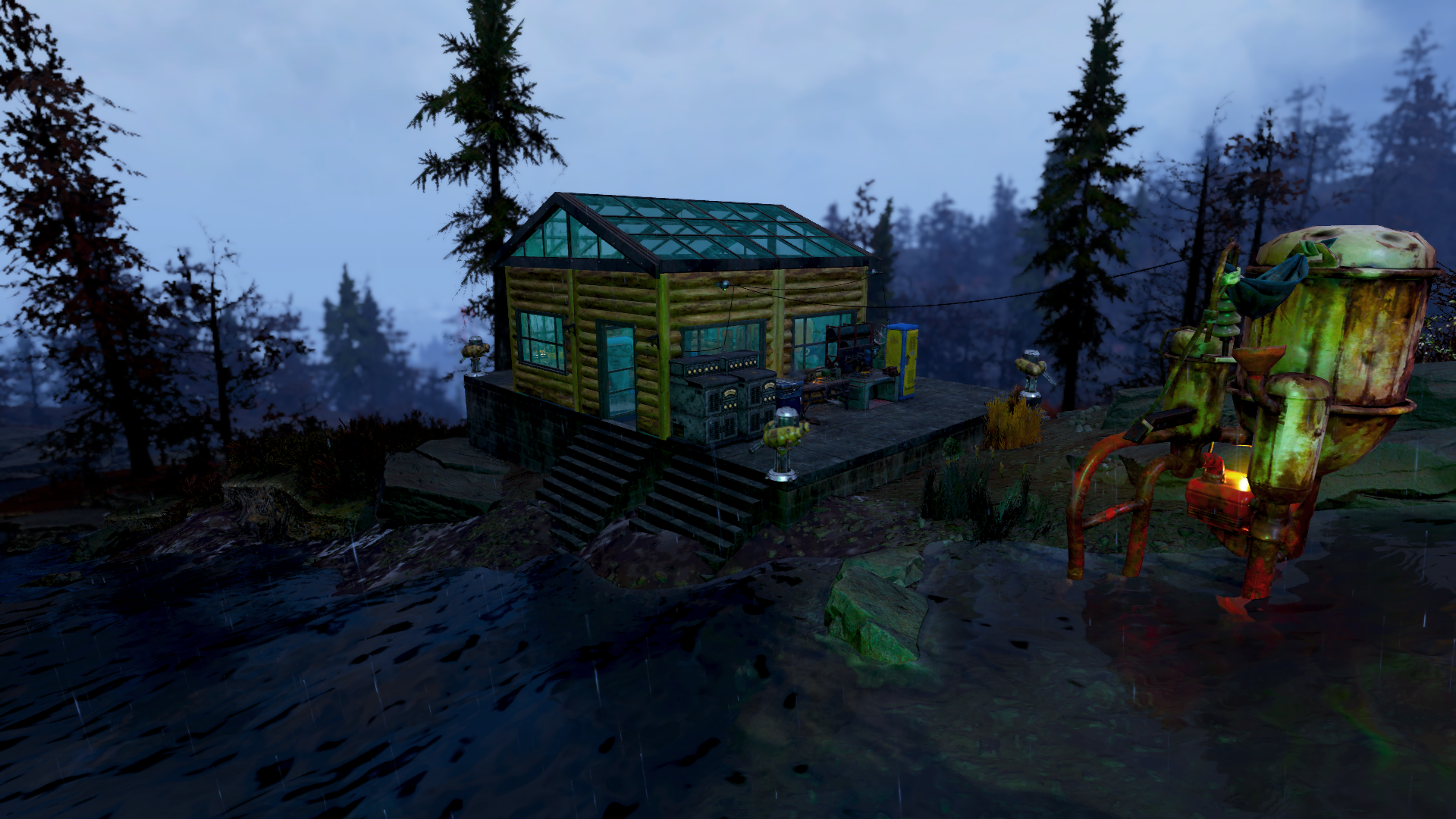
A basic camp near a water resource
My motivation for writing this guide is simple. I was helping a new friend I met in the Wasteland on my own newly-created character for my fourth (or fifth) playthrough. That’s literally how I began writing guides to begin with—a resource to help myself and friends.
Hopefully, this guide helps you on your journey through Appalachia. Remember, Fallout 76 isn’t just about surviving; it’s about exploring Appalachia at your own pace, finding what works for your playstyle, and making smart choices. Take your time, experiment with different weapons and perk cards, and don’t be afraid to use fast-travel, player camps, and stealth to your advantage. With these basics under your belt, you’re ready to start carving out your own story in the wasteland. And if you don’t have it yet, Pick up Fallout 76 on PC at a discount via Green Man Gaming.