Why Tarisland Failed: Tencent’s MMO Shutdown Explained
Tarisland’s shutdown in November 2025 marked the end of a short and turbulent run. Tencent’s cross-platform MMORPG lasted only 16 months in the West before the global version was permanently closed on November 4, 2025. Characters, items, and payment records were deleted, leaving players with no migration options, refunds, or farewell events. Despite polished visuals, strong marketing, and cross-platform ambitions, Tarisland could not establish a stable foothold in a crowded MMO market.

A Short Life With a Sudden End
I knew Tarisland would not last the moment it launched: the game looked like a high-budget dream with no soul. It was gorgeous, polished, and technically, uhh, competent, but underneath all that glossy shine, there wasn’t much substance to hold onto.
The shutdown announcement came in early September 2025, and the game immediately disabled registration and cash-shop purchases. Players could log in until the termination date, but there were no “sunset events,” no migration paths, and no compensation. The closure felt abrupt, leaving many players feeling abandoned and confused.
The game’s lifecycle was rocky from the start. After launching globally in June 2024, Tarisland was already running “returning player” campaigns by August of the same year — an early sign of retention issues. By 2025, updates slowed dramatically, community engagement declined, and the game felt abandoned months before the official announcement.
Why Tarisland Struggled: A Market Too Crowded
The MMORPG genre in 2024–2025 was fiercely competitive, and Tarisland entered the arena without a strong differentiator. Its biggest challenges included:
1. Competing Against Established MMO Giants
Tarisland launched into a market dominated by long-standing MMORPGs:
Final Fantasy XIV — the gold standard for story-driven MMOs
World of Warcraft — still massive despite fluctuations
Guild Wars 2 — thriving with expansions and a buy-to-play model
Black Desert Online — visually stunning with deep combat
Elder Scrolls Online — evergreen content and cross-platform stability
These games have years of content, loyal communities, strong brand recognition, and proven monetization models. Tarisland was new, proven, and entered the arena without offering players anything original and interesting to draw them in.
2. Reputation Problems From Day One
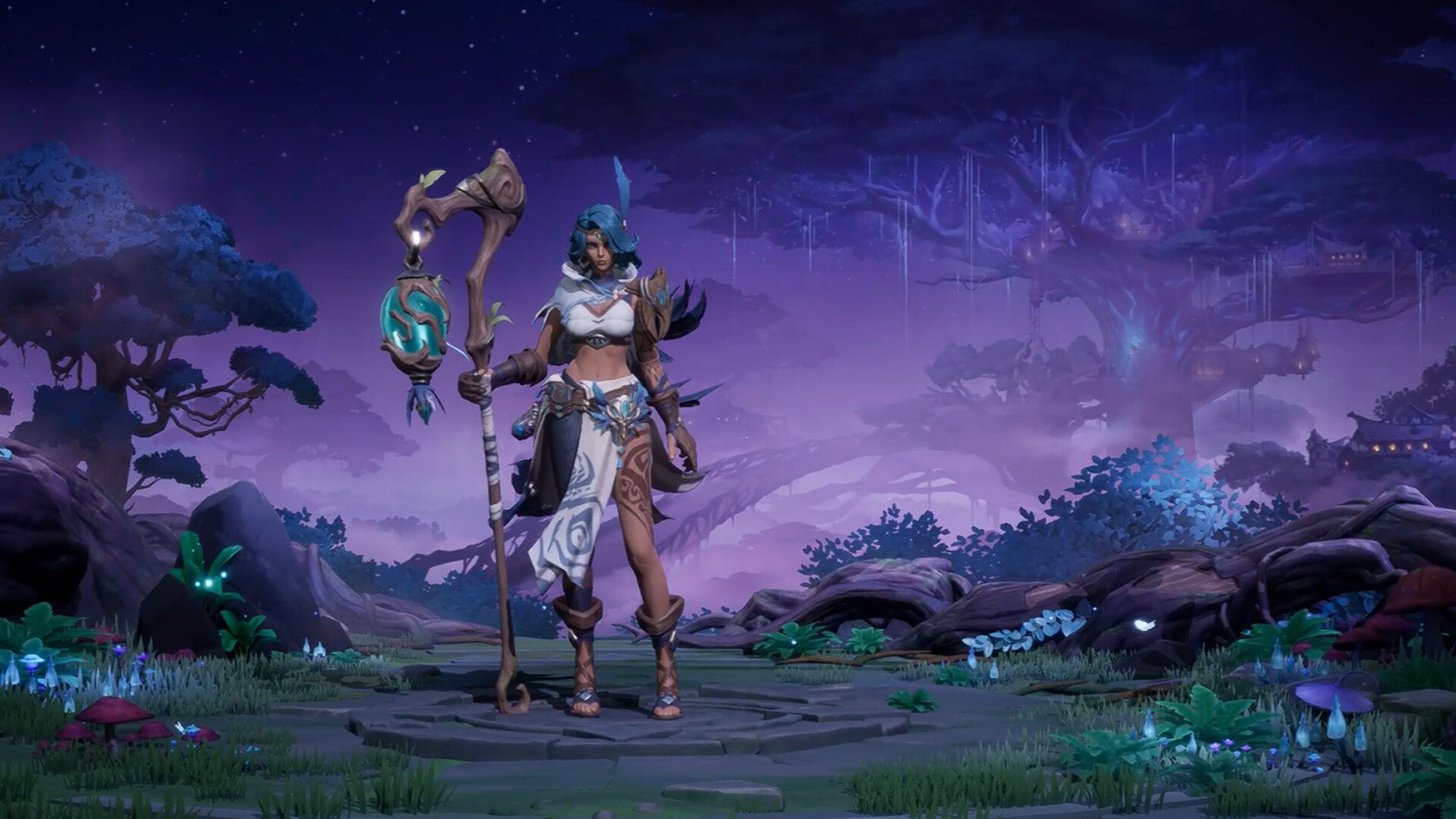
Tarisland was widely perceived as Tencent’s attempt to fill the void left by Blizzard’s canceled China partnership, with media outlets calling it “The WoW killer” to hype it up. However, many players dismissed it as a “WoW clone.” Unfortunately, the game did not have its own identity, and the stigma stuck. In a genre where world-building and identity are important, this early perception hurt its long-term prospects.
3. Cross-Platform Limitations
Cross-platform PC/mobile play was a major selling point, but it created friction. PC players felt the combat and UI were too simplified. Mobile players struggled with raid mechanics designed for larger screens. The game never fully satisfied either audience. Instead of bridging two markets, it ended up alienating parts of both.
4. Content Pace and Live-Service Expectations
MMO players expect frequent updates, seasonal events, roadmaps, and developer transparency. Tarisland delivered forgettable boss encounters in polished dungeons, with slow updates. By mid-2025, the game felt stagnant and it failed to build community trust.
5. Monetization Missteps
Tarisland leaned heavily into cosmetics that lacked uniqueness, battle passes, and progression boosts. While not the most predatory mobile MMO, players already wary of Tencent’s monetization practices were quick to disengage. Once the game felt stagnant, the monetization model became another reason to leave.
In A Sea of MMOs With No Lifeboat
Tarisland didn’t fail because it was bad; it failed because it was not distinctive. In a genre where players invest hundreds of hours, switching games requires a compelling reason. Tarisland never provided one.
Its only strengths, solid visuals and cross-platform accessibility, weren’t enough to overcome:
A saturated market
A skeptical audience
Slow updates
Weak community retention
Lack of long-term vision
By the time Tencent pulled the plug, many players had already moved on.
What Could Have Saved Tarisland
In a sea of established MMORPGs, Tarisland didn’t stand a chance because it offered very little of substance to pull players away from their long-term MMO homes. To survive — or even thrive — Tarisland needed clear pillars that gave it identity, depth, and emotional staying power.
Better Storytelling
Storytelling is important in MMORPGs, even for players who swear they “don’t care about lore.” Tarisland’s narrative was vague, bland, and completely forgettable. There were no standout moments, no emotional hooks, and no characters worth remembering.
Worse, the NPC designs like watered-down versions of World of Warcraft’s Alliance Humans and Horde Tauren.
The MMORPG genre thrives on storytelling drawing players in to form long-term emotional attachments to worlds and characters. Tarisland gave them nothing to connect to.

Character Customization That Invited Players to Stay
Tarisland’s character customization was some of the most unseasoned I’ve experienced in an MMORPG. Limited hairstyles, limited skin tones, and uninspired armor design made character creation feel like an afterthought.
Logging in often felt less like stepping into a fantasy world and more like trying to stay in a relationship with someone you’re not attracted to — purely because you see potential.
Customization is how players see themselves in the world. Without it, there’s no sense of ownership, pride, or immersion—and no reason to keep logging back in.
Player Housing as an Identity Anchor
A robust player housing or homesteading system could have been Tarisland’s lifeline.
Incorporating housing could have:
given players a long-term personal goal
encouraged creativity and social engagement
positioned Tarisland within the growing “cozy MMORPG” niche
Games like Final Fantasy XIV and ESO have shown that housing systems keep players engaged even during content lulls. Tarisland missed a huge opportunity to carve out a softer, lifestyle-focused identity that could have set it apart from combat-heavy competitors.
Combat That Was Dynamic, Not Disposable
Tarisland’s combat was easy to learn, but that’s where the praise ends. There was no depth, no challenge, and no excitement. Animations were forgettable, abilities lacked flair, and combat rarely felt rewarding.
There were no interesting combinations, no spell synergy worth mastering, and no moments where combat felt fun. It was functional, yes, but in an MMO, functional isn’t enough.
Any one of these systems—strong storytelling, meaningful customization, player housing, or dynamic combat—could have given Tarisland a foothold. Together, they could have defined its identity.
Instead, Tarisland existed in the uncomfortable middle:
not deep enough for hardcore MMO players
not cozy or expressive enough for casual players
not distinctive enough to justify long-term investment
In a genre where players are spoiled for choice, “good enough” is a death sentence.
The Legacy of Tarisland
If anyone remembers Tarisland down the line, it will likely be remembered as a lesson that a technically competent MMORPG needs to be more than pretty. Tarisland was but a title that never found its identity. Tencent would have faired better by reviving Swords Of Legends Online Overseas Edition.