TikTok US Ownership Explained: Why the Deal Still Worries Us
TikTok’s New U.S. Ownership: Why the “Safety Fix” Still Feels Like a Trap
On January 22, 2026, TikTok quietly unveiled that it has, indeed established the TikTok USDS Joint Venture LLC to control the data of TikTok users in the U.S. separate from global users.
TikTok has been the center of a political storm for years. Lawmakers in Washington repeatedly warned that the app’s Chinese parent company, ByteDance, could be forced by Beijing to hand over U.S. user data. The result was a bipartisan push to either ban TikTok or force a sale. That pressure finally culminated in a new U.S. joint venture—designed to rebrand TikTok’s American operations as a “safe” and “independent” platform.
But here’s the problem: the fear of Chinese government surveillance was never proven, and now the “solution” is a new structure that puts TikTok under the control of companies and individuals with their own histories of surveillance, data harvesting, and government ties. In short: the “threat” didn’t go away; it just changed hands.
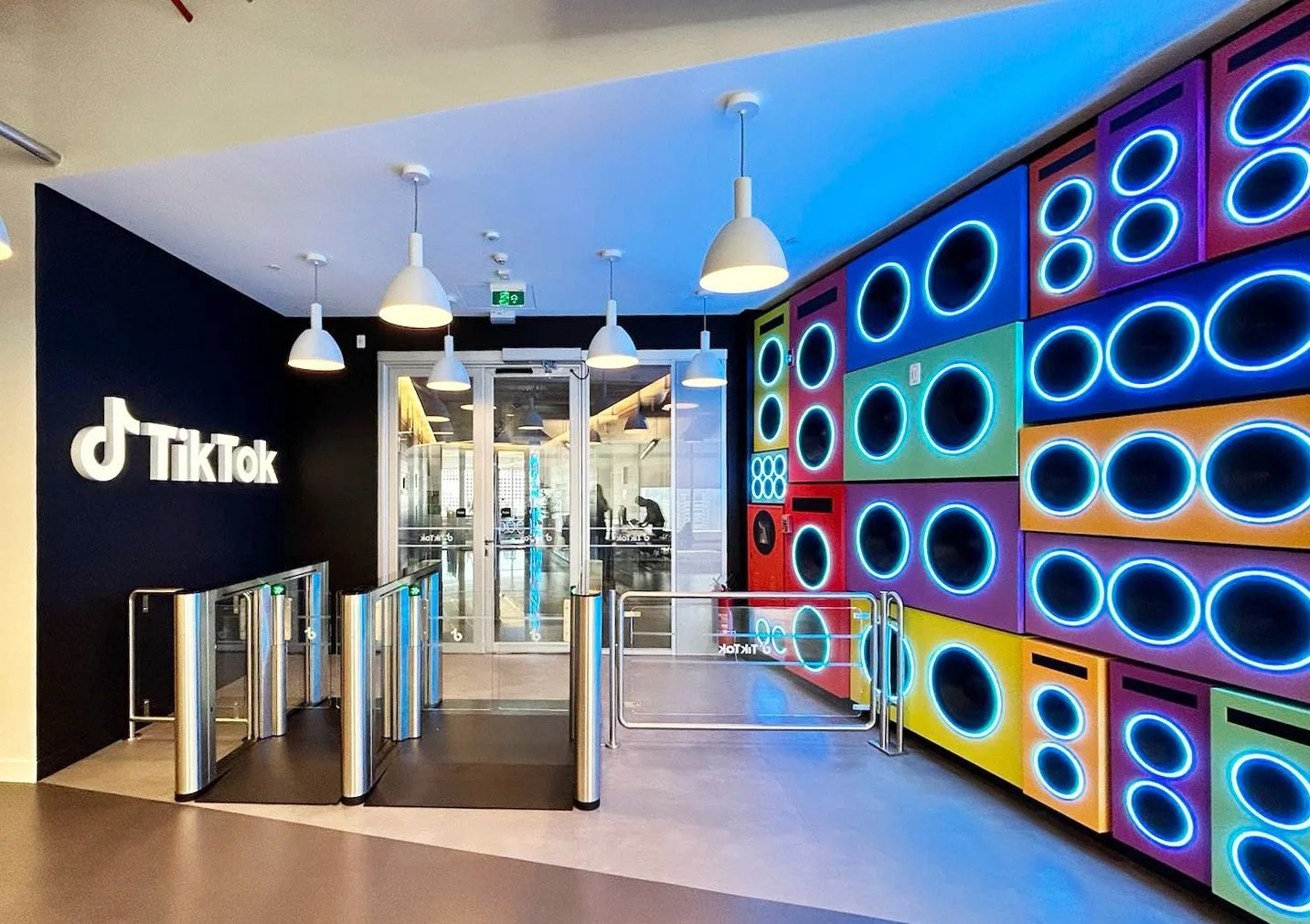
Credit: TikTok
The Big Shift: What the New TikTok US Entity Really Means
Under the new agreement, TikTok’s U.S. operations are now controlled by a joint venture of U.S. and allied investors, with ByteDance retaining only a minority stake. The joint venture claims to be independent and “American-run,” and it’s designed to satisfy the U.S. government’s demands for data security and national control.
The idea is simple:
If ByteDance no longer controls U.S. TikTok data, then the Chinese government cannot access it.
But the reality is more complicated.
The joint venture is built around the same model that drives every major social media platform: data collection, algorithmic control, and monetization. The difference is that instead of a Chinese company holding the reins, U.S.-based corporations and investors do.
And for many users, that’s not reassuring.
The Truth About the “Chinese Surveillance” Fear
The panic around TikTok wasn’t purely political. The U.S. government has long argued that the app could be used for propaganda or data collection by Beijing. But despite years of warnings, there has never been credible public evidence that TikTok has handed U.S. user data to the Chinese government.
In other words: the fear that TikTok is actively spying on Americans on behalf of Beijing has never been proven.
So why did the U.S. government push so hard for a sale?
The answer isn’t national security. It’s control over a wildly influential platform and a broader battle over who gets to own the future of social media.
Palantir, Oracle, and the Real Reason the Ban Was Pushed
This is where the story gets political and deeply uncomfortable.
Many of the calls to ban TikTok were not just about “national security.” They were also about who stands to profit from a sale, and who would gain control of one of the world’s most powerful social networks.
That’s where companies like Oracle and Palantir come into the picture.
Oracle is one of the major tech firms that has positioned itself as a national security-friendly “data guardian.” Palantir, meanwhile, is widely known for its government contracts and intelligence and work and was tasked by Trump to head up the charge to collect data on U.S citizens. Both companies have histories tied to surveillance and data analysis for governments, and both have been involved in public debates about “protecting America” by controlling the flow of information.
When TikTok’s future became a question of ownership, these companies were among the most likely to benefit from a forced sale. Not because they had the best social media product, but because they had the political capital and government connections to win the deal.
That is not a conspiracy theory; it’s simply how power works.
When the government says a platform is dangerous, the “solution” often becomes a shift in ownership to a different set of private interests.

Credit: Chris Yang
The New Board: American and Surveillance Connections
Now, the TikTok deal has created a joint venture—a board with major U.S. influence and ties to companies known for intelligence. Some board members are from firms with deep involvement in government contracts, defense tech, and data surveillance. Others have backgrounds in national security and law enforcement partnerships.
Here’s the important point:
The people who now control U.S. TikTok are not neutral. They have histories in the world of surveillance and data collection, which makes the “safety” argument feel like a cover story.
The fear isn’t only that TikTok data will be misused; it’s that it will be used by a different set of powerful actors, potentially in ways that are even harder to audit or challenge.
This is especially troubling in the context of U.S. domestic policing, immigration enforcement, and the rise of surveillance tools used against marginalized communities.
Why GNL Magazine Is Skeptical
GNL Magazine does not support the joint venture. We believe the “solution” was built on fear, and the result is a shift from one powerful owner to another.
Why are we wary?
1. Surveillance is not only foreign
The U.S. government has its own long history of surveillance, both domestic and global. When a platform is controlled by U.S.-based corporations with intelligence ties, that data can be used in ways that harm ordinary people.
2. ICE raids and immigration enforcement
The U.S. has used digital tools to monitor and target communities. A platform that collects location, social graphs, and behavioral data can be weaponized in immigration enforcement. That’s not hypothetical. It’s already happening in other contexts.
3. Corporate interests rarely protect users
Companies like Oracle and others have built businesses on data. Their interests are not aligned with user privacy; they’re aligned with profit and control.
So, the new “American” TikTok may be “safer” from Beijing but it may be more dangerous in ways that matter to everyday users.
Why Some U.S. Users Preferred Chinese Ownership
This might sound counterintuitive, but many TikTok users in the U.S. actually preferred the app when it was clearly controlled by ByteDance.
Why? Because:
They trusted the platform more than the U.S. government
They feared domestic surveillance more than foreign surveillance
They didn’t want TikTok to be absorbed into a surveillance-industrial complex
They saw the push to ban the app as political and corporate power overreach
During the TikTok blackout and political uproar, many users migrated to other platforms like Xiaohongshu (RedNote). That migration wasn’t just about finding a new app. It was a protest. It was a rejection of the idea that their social lives should be controlled by governments or corporate boards.
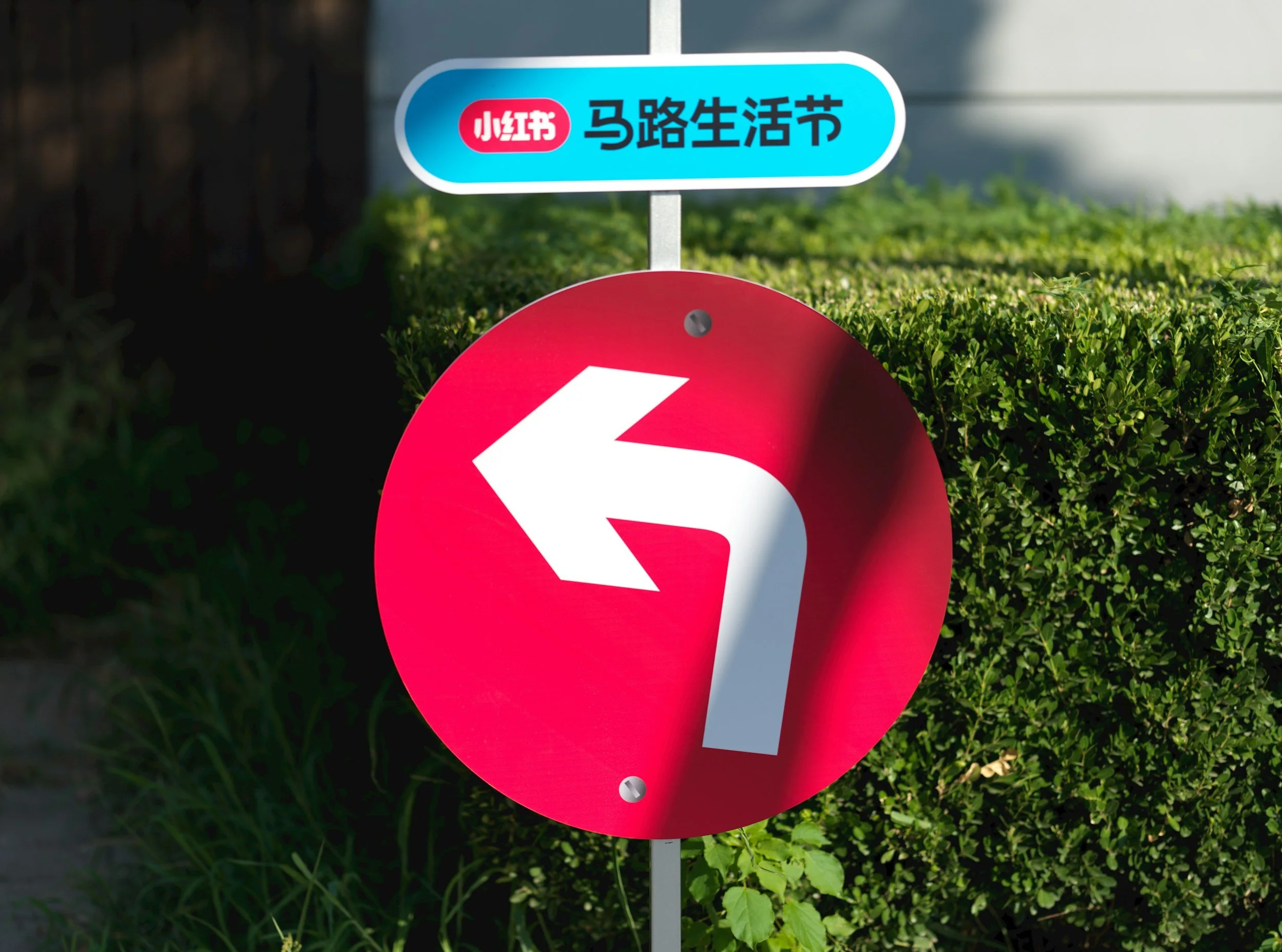
Credit: Declan Sun
Still on TikTok? How to Limit Data Collection and Surveillance
Deleting TikTok isn’t realistic or even desirable for everyone. For many users, TikTok is income, community, activism, education, and creative expression. Staying on the platform does not mean surrendering all control, but it does require being intentional.
While no privacy setting can fully eliminate data collection on a platform built around surveillance capitalism, you can significantly reduce what TikTok collects, stores, and connects about you. Think of this section as harm reduction, not a cure.
Below are concrete steps TikTok users can take right now to limit data exposure under the new U.S. ownership structure.
1. Make Your Account Private (This Is Non-Negotiable)
A public account allows TikTok to learn more about how strangers interact with you: who watches, stitches, duets, and engages with your content. A private account limits that exposure.
Path:
Profile → Menu (☰) → Settings and privacy → Privacy → Toggle Private account ON
What this does:
This reduces data tied to virality, audience expansion, and behavioral profiling outside your approved followers.
2. Lock Down Comments, Duets, and Stitches
Every interaction is data. Comments, duets, and stitches feed TikTok’s engagement and behavioral models.
Paths:
Profile → Menu → Settings and privacy → Privacy → Comments → Set to Friends or No one
Profile → Menu → Settings and privacy → Privacy → Duet → Set to Only me
Profile → Menu → Settings and privacy → Privacy → Stitch → Set to Only me
What this does:
Limiting these features reduces how your content is analyzed, remixed, and spread across networks you don’t control.
3. Turn Off Contact Syncing Immediately
Contact syncing is one of the most invasive features on TikTok. It allows the platform to map your real-world relationships.
Path:
Profile → Menu → Settings and privacy → Privacy → Sync contacts and Facebook friends → Toggle Sync contacts OFF
Then tap Remove previously synced contacts
What this does:
This prevents TikTok from building a social graph tied to your phone contacts—something frequently used for targeting and recommendations.
4. Disable Personalized Ads (Where Available)
TikTok ads are powered by behavioral profiling. While ad personalization settings vary by region, you should limit them where possible.
Path:
Profile → Menu → Settings and privacy → Ads → Ad personalization → Toggle OFF
What this does:
This reduces how your activity is used to target you across TikTok and potentially across partner platforms.
5. Restrict Location Data
TikTok does not need precise location access to function.
On your device (recommended):
iOS:
Settings → Privacy & Security → Location Services → TikTok → Set to Never or While Using App (Precise Location OFF)
Android:
Settings → Location → App location permissions → TikTok → Set to Don’t allow or Allow only while using
What this does:
Location data can be used for surveillance, profiling, and—under certain circumstances—law enforcement access.
6. Limit Face, Voice, and Biometric Data Exposure
TikTok analyzes faces and voices to power filters, effects, and content moderation systems.
What you can do:
Avoid face-tracking filters
Avoid voice-training features
Do not upload unnecessary drafts or test videos
Path to review permissions:
Profile → Menu → Settings and privacy → Privacy → Permissions
What this does:
Biometric data is among the most sensitive data categories and the hardest to control once collected.
7. Turn Off Activity Status and Profile Views
These features increase behavioral tracking and social monitoring.
Paths:
Profile → Menu → Settings and privacy → Privacy → Activity status → Toggle OFF
Profile → Menu → Settings and privacy → Privacy → Profile view history → Toggle OFF
What this does:
This limits visibility into when you’re active and how others interact with your profile.
8. Be Mindful of What You Post (Yes, This Counts as Privacy)
TikTok’s algorithm doesn’t just watch what you like—it watches what you say, how you say it, how long you linger, and who engages with you.
Best practices:
Avoid oversharing personal details
Avoid consistent location cues
Avoid content patterns that fully map your routines
What this does:
Your content becomes metadata, and metadata is often more revealing than explicit personal information.
9. Log Out When You’re Not Using TikTok
It sounds basic, but it works.
What this does:
Logging out limits passive data collection and reduces background activity tracking.
Understand this…
Even with all settings optimized:
TikTok still collects behavioral data
Algorithms still profile users
Ownership changes do not remove surveillance incentives
Privacy on TikTok is about reducing risk, not eliminating it.
Alternatives to TikTok (That Don’t Feed the Same Surveillance Machine)
If you want to stay social but avoid TikTok’s data ecosystem, here are alternatives that are generally less risky:
1. YouTube Shorts
It’s still big data, but YouTube’s model is more transparent and less tied to national security interests.
2. Instagram Reels
Still owned by a major corporation, but it’s not currently part of a national security fight.
3. Triller
A smaller app with less influence and less government attention. I’m still researching this app.
4. BeReal
Low pressure and less algorithmic surveillance. I’m still researching this app as well.
5. Local communities and creator platforms
Support creators directly through Patreon, Ko-fi, or personal websites.
TikTok’s new U.S. joint venture is being sold as a national security solution. But the truth is more complicated. The fear of Chinese surveillance was never proven. Instead, the U.S. government pushed for a sale that benefits American corporations and investors with deep ties to surveillance and intelligence.
That shift is not neutral. It’s a change in who gets to control the data and who gets to profit from it.
At GNL Magazine, we believe users deserve platforms that are transparent, accountable, and not tied to surveillance states—foreign or domestic. This joint venture is not that.
FAQ — TikTok’s U.S. Joint Venture Explained
1. What exactly changed with TikTok’s U.S. ownership?
TikTok’s American operations are now run by a new entity called TikTok USDS Joint Venture LLC, largely owned by U.S. and allied investors — including Oracle, Silver Lake, and MGX — with ByteDance retaining a minority stake. This was done to satisfy U.S. legal requirements aimed at reducing perceived foreign influence over user data and algorithm control.
2. Is TikTok still owned by a Chinese company?
Yes — TikTok’s global parent company, ByteDance Ltd., remains Chinese and retains a minority share (about 19.9%) in the U.S. joint venture.
3. Does the Chinese government still have control over TikTok?
There is no public evidence that Beijing has direct operational control over TikTok’s U.S. data, and TikTok’s sale was structured specifically to sever that type of control. Most national-security concerns were about potential access by the Chinese government, but no verified proof of data misuse by China has been publicly disclosed.
4. Who controls U.S. TikTok data now?
Under the new deal:
U.S. user data is stored locally on infrastructure run by Oracle.
The U.S. joint venture has authority over data protection, algorithm security, and content moderation for U.S. users.
5. What is being done with the TikTok algorithm?
The joint venture will “retrain” the recommendation algorithm using U.S. user data to prevent outside manipulation and will oversee algorithm security and content moderation.
6. Why is the sale of TikTok controversial?
Critics argue the U.S. government’s response replaced one set of data-control concerns (China) with another (U.S. tech and intelligence interests). Some experts warned that this could simply shift surveillance power rather than eliminate it.
7. Why did some U.S. users migrate to Xiaohongshu?
During U.S. TikTok service interruptions and political debates about bans and forced sales, some users looked for alternatives. Xiaohongshu (also known as RedNote) saw significant increase in downloads in early 2025 — including in the U.S. — as users sought a TikTok-like community space.
8. Does this affect TikTok users outside the U.S.?
No — users outside the United States continue to use the global TikTok under ByteDance’s ownership and the privacy regulations of their respective regions. The U.S. entity governs data for U.S. users only. (Logically consistent with the structure of the joint venture; see global context above.)
9. Is TikTok safer now?
Whether it is “safer” depends on your perspective, as there were no proven threats to the security of U.S. data. The sale allegedly reduced one type of geopolitical risk (Chinese government access) but introduced other concerns about data politics and U.S. corporate control.
10. Can TikTok still collect my data if my account is private?
Yes. A private account limits exposure to other users but does not stop TikTok from collecting usage and behavioral data.
11. Does turning off location services stop TikTok from knowing where I am?
It limits precise location tracking, but TikTok may still infer approximate location through IP address and network data.
12. Can TikTok share my data with the U.S. government?
Companies can be compelled to provide data through legal processes. Ownership by U.S. entities does not eliminate this possibility.
13. Does deleting drafts protect my privacy?
Yes. Drafts may still contain metadata. Deleting unused drafts reduces stored content linked to your account.
14. What’s the most important privacy step on TikTok?
Turning off contact syncing and limiting permissions are among the most impactful steps users can take.
15. Can I use TikTok anonymously?
Not fully. Even without posting, TikTok can collect behavioral data tied to your device and network.