Why Knowing Chinese History Made Where Winds Meet More Enjoyable for Me
How Learning Chinese History, Culture, and Language Changed My Experience With Where Winds MeetThere are plenty of multiplayer open world games that offer freedom combat and exploration. Where Winds Meet stands apart because its systems are not just inspired by culture. They are the culture. This game is rooted in a real historical turning point in China at the end of the Five Dynasties and Ten Kingdoms period and the rise of the Song Dynasty. That foundation shapes everything from faction politics to movement systems.
Because I already enjoyed Chinese historical dramas and had been studying Mandarin at a basic level I found myself immediately connecting to Where Winds Meet. Instead of treating mechanics as abstract rules I understood why they existed. It did not make the game easier in a mechanical sense. It made it more readable and far more rewarding.
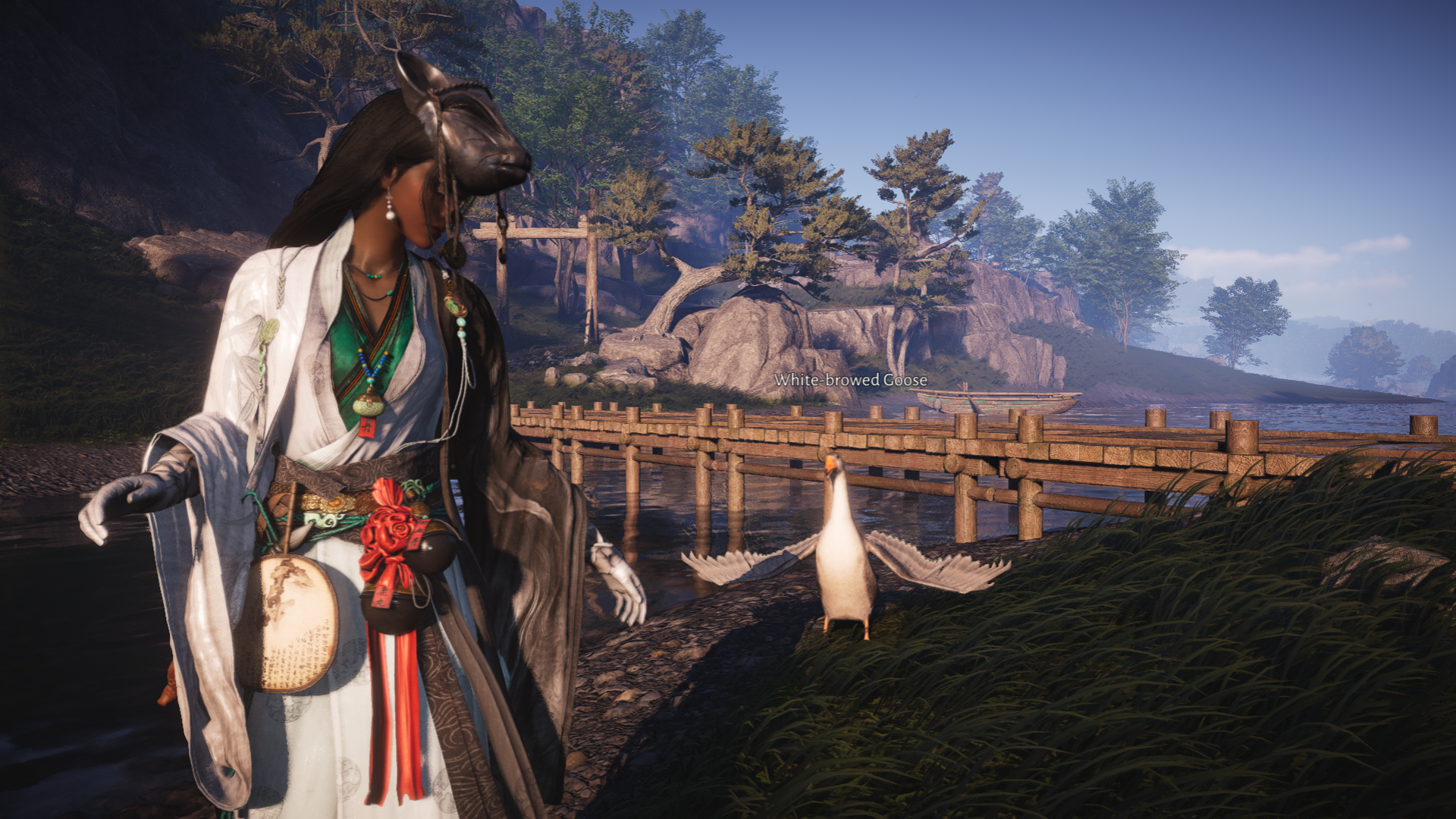
Player (me) and the famed White-browed Goose
In different gaming groups, I’ve seen quite a few players complain about feeling lost because they just don’t get it. While gamers love good storytelling, many global gamers are not used to games where culture is literally part of the system. Their reaction makes sense. Many global games use culture as lightly used flavor. Where Winds Meet, however, uses culture as structure.
The "Wuxia" Code Isn't Just Quests
For many players, the game's emphasis on honor, promises (xin yong), and faction loyalty might feel like arbitrary morality meters. But in the context of Jianghu (the martial arts world), this is the literal social contract. Knowing the wuxia tropes like the noble wandering knight-errant (xia), the sacred master-disciple bond, the vengeance for a slain master, transforms quests from simple "fetch and kill" tasks into meaningful story beats. When I chose to help a stranger being wronged, I wasn't just gaining reputation points; I was role-playing as a xia upholding righteousness (yi). This cultural framework made my choices feel weighty and authentic, not just strategic.
The Language is a Key to Hidden Depths
I prefer to have my language settings set to Chinese audio with English subtitles. My rudimentary Mandarin turned out to be very useful. While the English localization is good, catching the original terms added layers. For instance, hearing characters use specific forms of address like shifu (master/teacher) vs. xiong (brother) immediately clued me into their relationship. It also helped me to recognize other family dynamics while roaming, allowing me to recognize a very scandalous couple having a rather intimate moment.
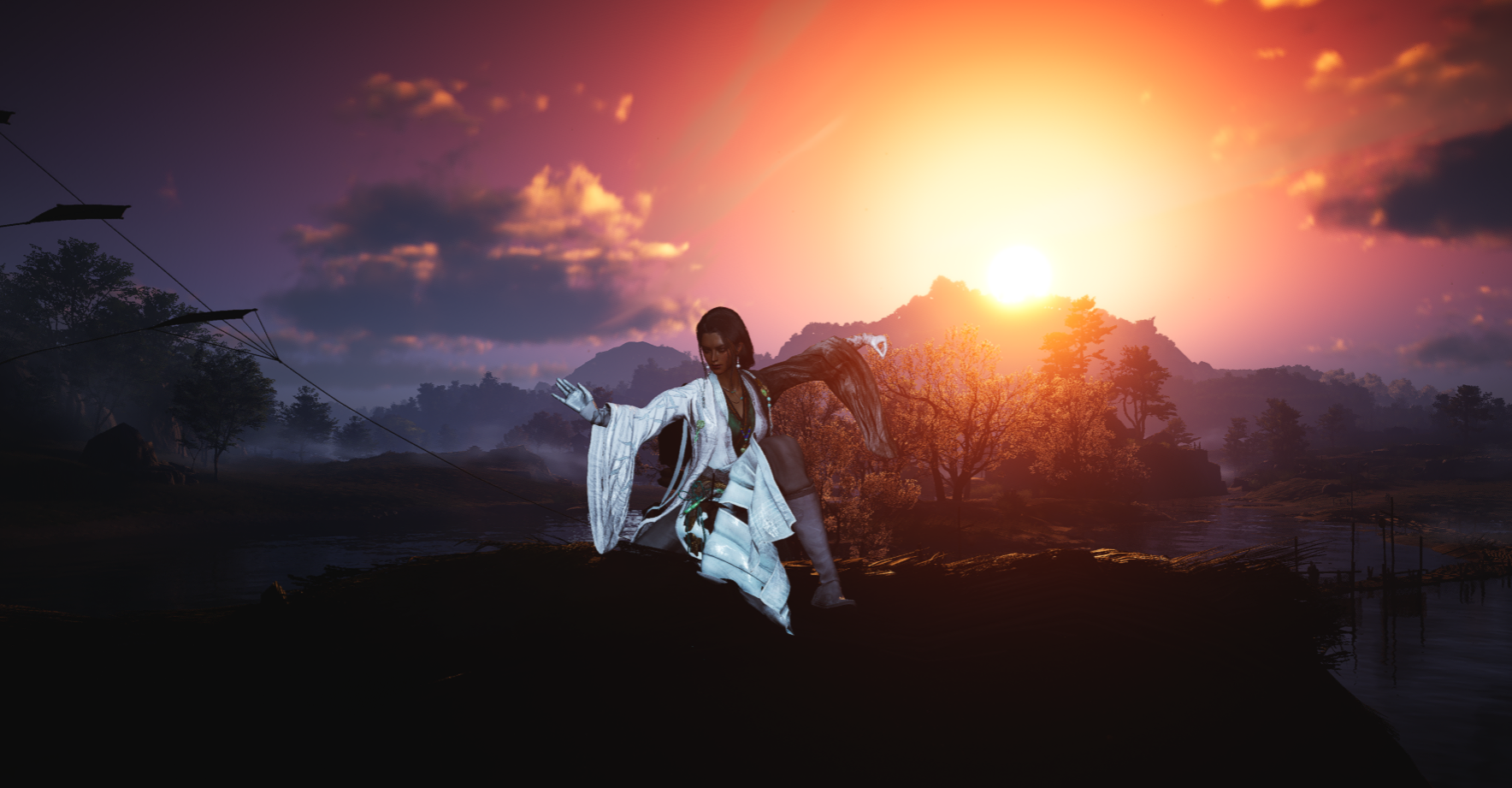
Player performing taichi on a rooftop
Place names and martial arts move names are often poetic allusions. Understanding that techniques like “Flying Gourds” and “Drunken Poets” aren't just whimsical choices, but these moves evoke the iconic, rebellious figure of the “Eight Immortals” from Daoist folklore, particularly Li Tieguai, the crippled immortal with his magical gourd, and Li Bai, the legendary "Poet Immortal" known for his drunken brilliance. Instead of seeing them as just some cool moves, I see the embodiment of a carefree, transcendent philosophy. The gameplay isn't just about swinging a weapon; it's about role-playing a mythic archetype, where chaos, wine, and poetry become a form of supreme, untouchable power.
Historical Context Turns Politics into Personal Drama
The Five Dynasties and Ten Kingdoms period was an era of shattered loyalties and rising heroes. Knowing this helped me feel the game's central tension: the conflict between the chaotic, individualistic Jianghu and the new, centralized order the Song Dynasty sought to impose. The game's factions aren't just Good vs. Evil. They represent different answers to a historical question: In a broken world, do you serve the state, your community, or your own ideals? This knowledge made conversations with scholar-officials, wary merchants, and ambitious generals incredibly rich. I wasn't just listening to NPC dialogue; I was engaging with the core philosophical debates of the era.
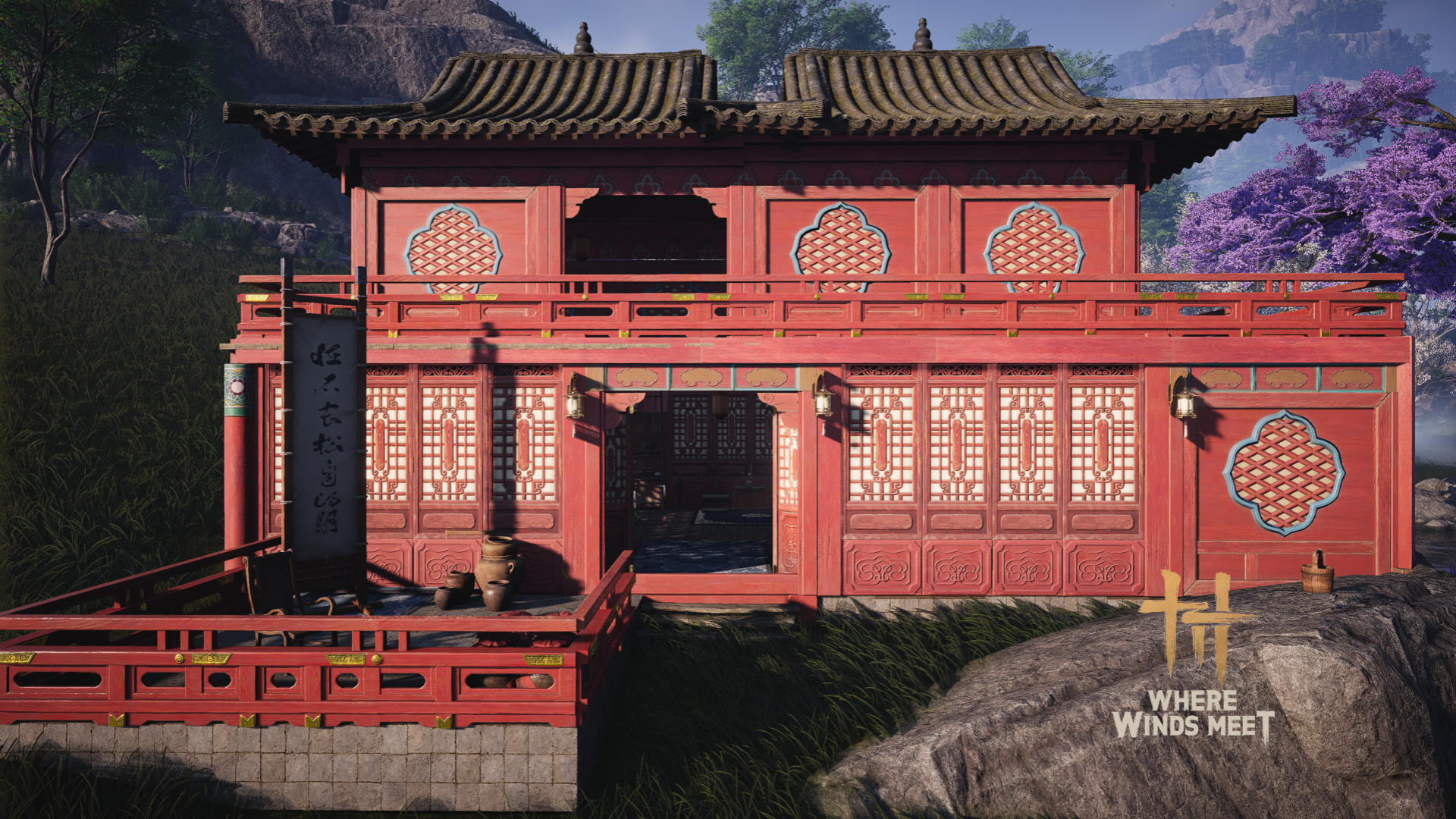
Player-built house with ancient Chinese architecture in Where Winds Meet
Systems Rooted in Culture
Even the game's systems are more intuitive with cultural context:
"Qinggong" traversal: It’s not just a double-triple-jump. It's the expression of a martial artist's lightness skill, a fundamental pillar of wuxia. Seeing it as a cultural power, not just a movement tech, makes soaring over rooftops feel like I am fulfilling my wuxia fantasies.
Architecture and Landscape: Recognizing a Song-style louge (multi-story pavilion), a Buddhist pagoda, or the significance of a winding mountain path leading to a secluded temple (shanjiao) make exploration feel like I’m walking through a living painting. I was visiting a jingdian (scenic spot).
Scholar/Doctor Profession: The reverence for scholars (wen) alongside martial prowess (wu) is a classic Chinese dichotomy. Choosing to engage in calligraphy, medicine, or chess isn't a minigame break; it's my character cultivating the other half of the idealized literati-warrior persona.
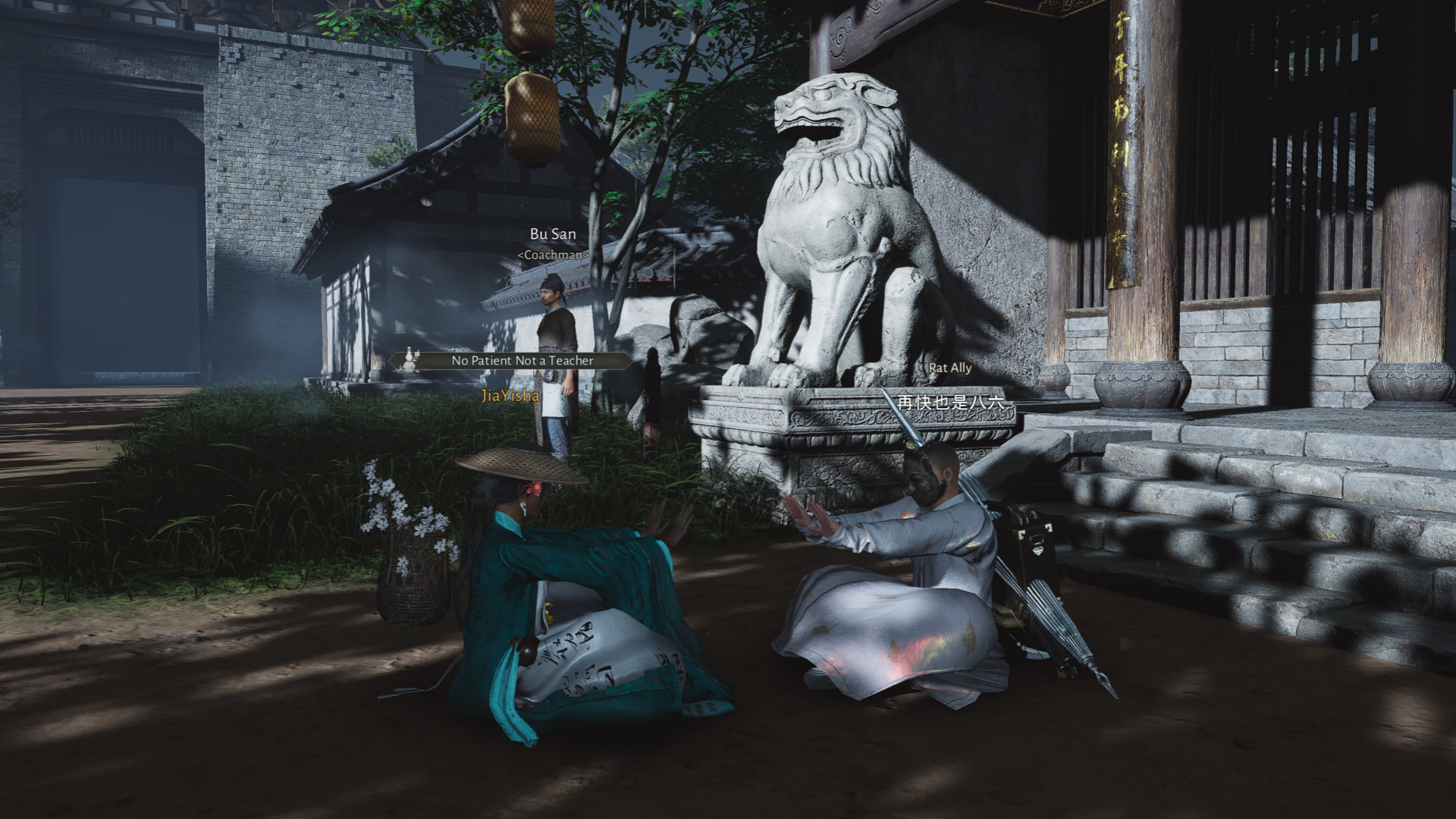
My character healing another player
The Path to “Divine Healer”
The ruthless competition between physicians in the Silver Needle Sect is far more than a high-stakes grind; it is a profound cultural allegory. Mirroring the imperial examination system, this struggle symbolizes the Confucian ideal that honor must be earned through demonstrable merit, rigorous study, and moral cultivation. Each diagnosis is a test, and each prescription a treatise, with the ranking board serving as a “golden rank list.” This framework elevates medical practice from mere mechanics to a philosophical trial, forcing a constant, tense negotiation between the pursuit of personal glory and the foundational ethic of collective healing.
The ultimate goal of the healer in Where Winds Meet, is to reach the rank of Divine Healer (神医, Shén Yī). It represents the mythical synthesis of supreme skill (精, Jīng) and benevolence (仁, Rén), a state where medicine becomes an almost sacred art. Achieving this title is not simply about being the best competitor; it is about being recognized as a paragon who embodies the culture’s highest virtues.
Even the Wildlife is Symbolic: The White-Browed Goose
The depth of cultural integration in Where Winds Meet is so profound that it extends even to its wildlife. Take the humble goose, or more accurately, the Hongyan (鸿雁), the wild swan goose. In Chinese culture, the goose is a powerful symbol of loyalty, fidelity, and delivering messages over great distances, owing to its migratory patterns. They were used as ceremonial gifts in ancient weddings and are emblematic of the Confucian virtue of 信 (xìn) or trustworthiness.
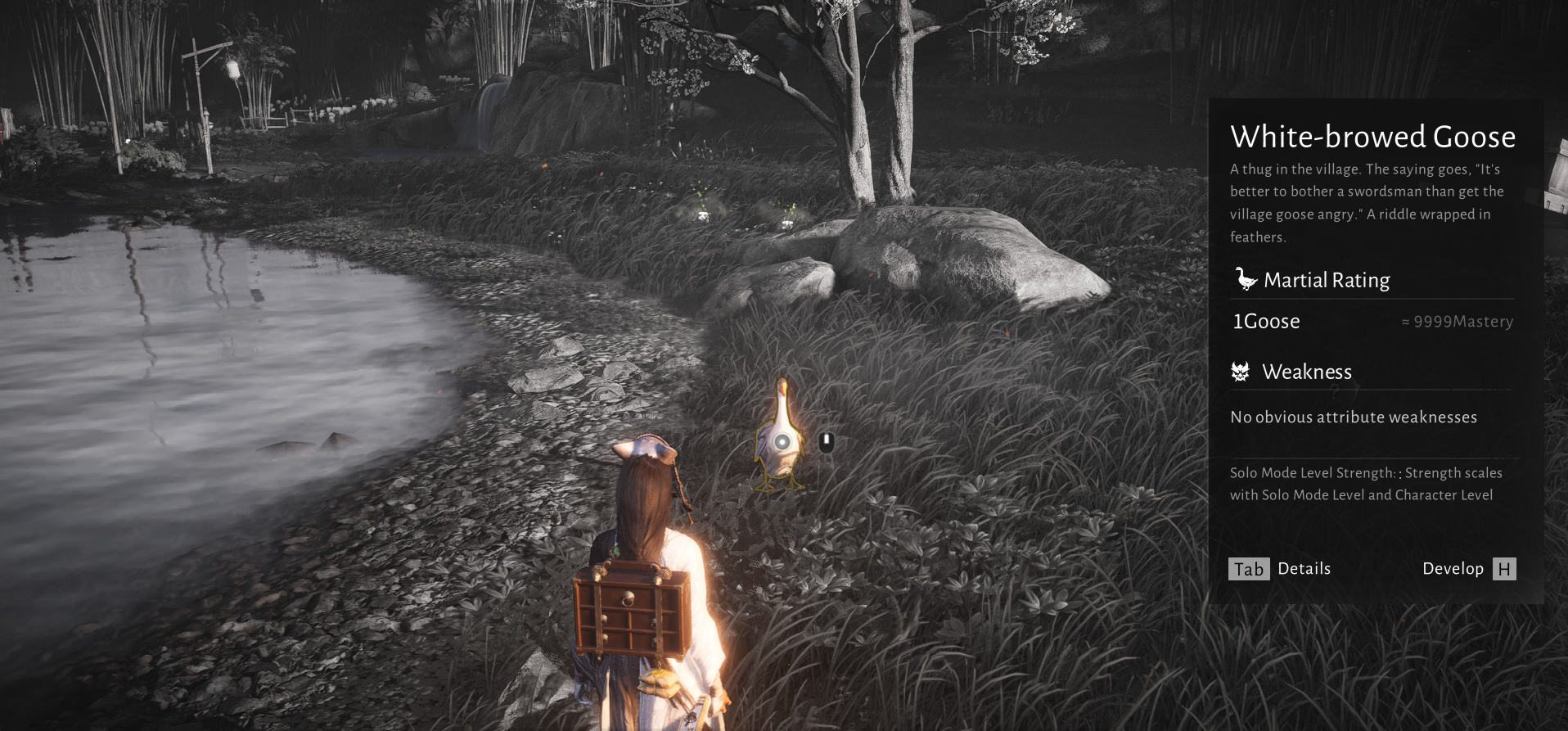
This isn't just lore or gamer humor. The game incorporates this symbolism into gameplay, making them formidable, territorial guardians, jokingly calling them “a thug in the village.” Since the game’s release, players constantly ask “Why are goose so tough to beat?” or “Why are geese so annoying?” The geese in Where Winds Meet are hard to beat because they are a living symbol of righteous defense.
Without understanding its background, Where Winds Meet is a beautiful, ambitious game with complex systems. With understanding it, though, my playthrough experience was elevated. The map becomes a historically-inspired Jianghu. The characters stop being quest-givers and become archetypes I understand deeply. The systems stop being abstract mechanics and become expressions of a rich cultural philosophy.
Where Winds Meet isn't just a game I play; it's a world I feel I can genuinely inhabit, understand, and appreciate on a profoundly deeper level. It’s the difference between visiting a country as a tourist and knowing enough to live like a local. And in this stunning, chaotic version of ancient China, being a local is an unforgettable adventure.
I really hope to see more culturally rich games like this in the future. Games without culture are fun, for a while, but they often fall flat. Give us culture!