Where Winds Meet Beginner's Guide (2025) — Everything You Need to Know
Released globally only a month ago, we’re all just starting our journey through Where Winds Meet. This world is beautiful, but it can be overwhelming especially if you are unfamiliar with wuxia games and /or with the history this game is based on.
We step into this beautiful wuxia world filled with winding roads, busy villages, quiet towns, bustling cities, towering cliffs, political tension, and martial arts legends. And in the midst of it all, WWM gives you freedom to fight, gather, craft, cook, heal, travel, or build a full life far beyond combat. It’s pretty exciting once you understand the core systems.
Understanding the World of Where Winds Meet
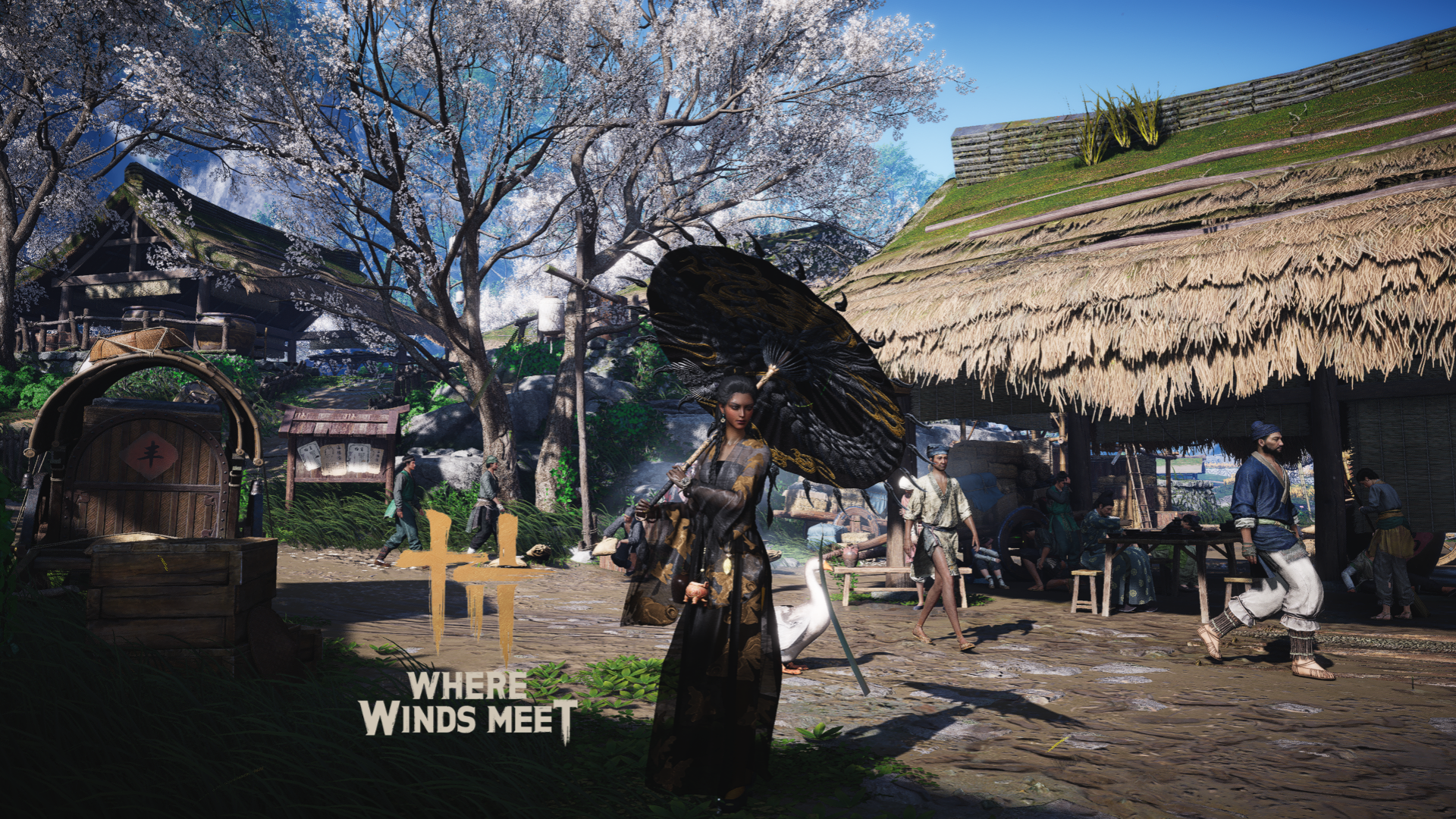
Where Winds Meet takes place during the very real historical 10th century era of the end of the 5 Dynasties and Ten Kingdoms period and the beginning of The Song Dynasty. The world is in chaos, and The Song Dynasty is trying to solidify their rule. The areas that we will travel through are part of the Yānyún Shíliù Shēng or Yānyún Sixteen Prefectures (literally the game’s title in China). Yān refers to the ancient state of Yan and the area around modern Beijing and Yún refers to the Yunzhou area, around modern Datong in Shanxi. It was a strategic frontier between Han Chinese dynasties and northern nomadic empires for centuries. Its loss to the Khitan Liao dynasty was a pivotal moment in Chinese history. We learn about this history throughout the gameplay. The first two areas we play in, Qinghe and Kaifeng, are both real places in China.
We start our adventure as a young master of the small village, Blissful Retreat, in Qinghe, adopted by a mysterious woman, Aunt Han. Our desire is to wander the Jianghu (martial world) and search for Uncle Jiang (he rescued us as a baby—yes, that is baby you at the beginning of the game).
You are free to move at your own rhythm. You can train as a warrior, practice medicine, run a business, investigate mysteries, or simply travel and enjoy the scenery. The world rewards curiosity, preparation, and steady growth.
Starting Out
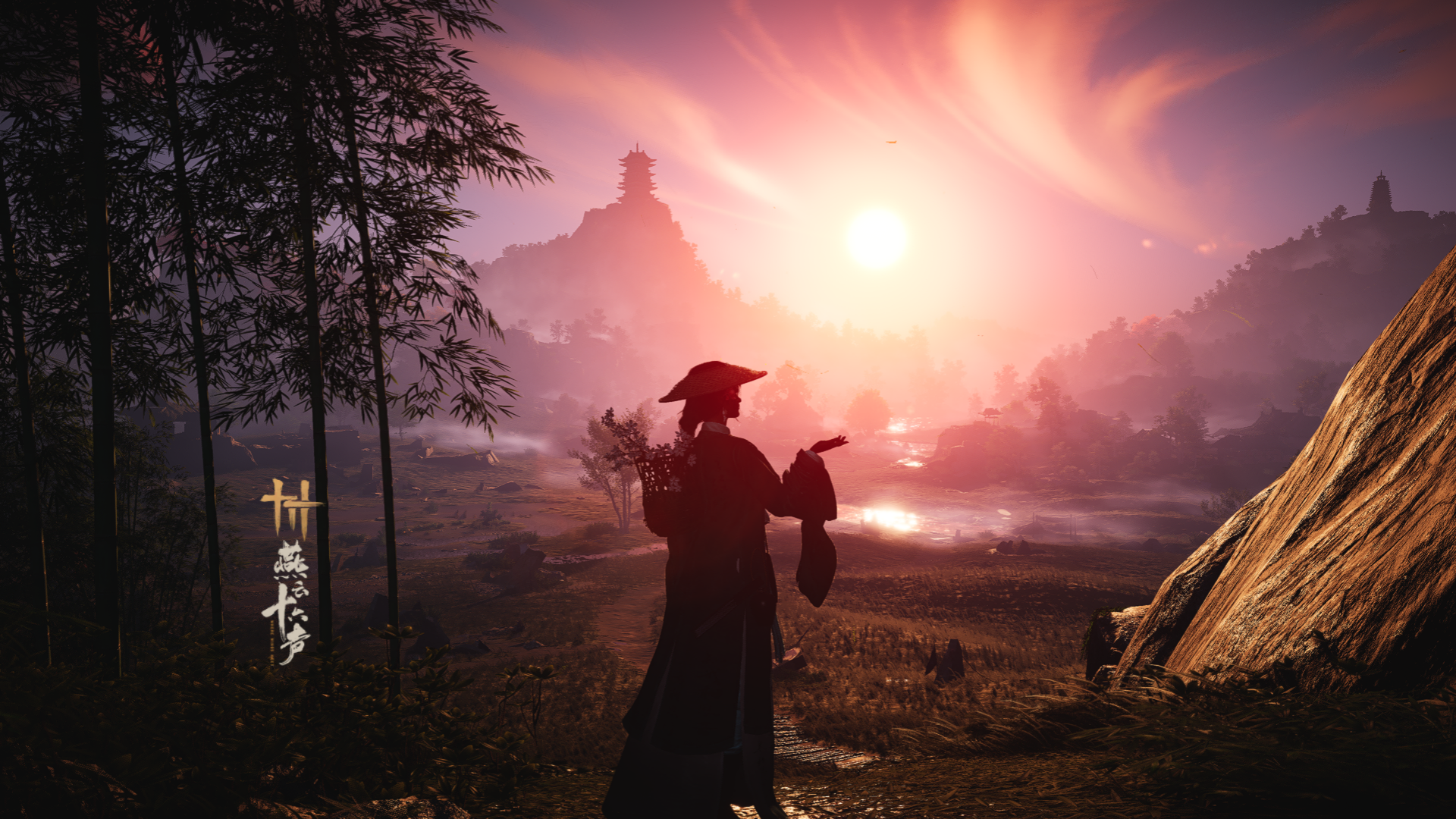
We will start out in Solo Mode playing through the story. We begin at Bamboo Abode in Verdant Wilds to make our way all the way to Blissful Retreat. Pay attention to tutorials early on. Early gameplay introduces the systems you will use for the entire game, such as movement, combat stances, gathering, cooking, and crafting. The more you practice them, the easier everything else becomes. We’ll first stop to learn archery. Then we’ll stop at the Wayfarer. The game teaches you that finding the Wayfarer (flame symbol on your map) clears the fog from your map. Traveling to towns without going to the Wayfarer does not open up the map for you.
After meeting the first Wayfarer, he will send you to Qi Sheng, Oddities Exchange guy (remember him). He will give you a quest where you learn Tai Chi, toss a bear using Tai Chi, shoot and collect a beehive, and then he will have you pick two weapons.
Weapons define your style, and the game encourages you to test several options. Every weapon has a different personality, from pacing to reach to skill timing. You do not need to commit early. I always tell new players to spend time experimenting so you can find what works best for you.
Here’s a tip: When you first start out, pick Umbrella and Spear. If you don’t pick umbrella and spear, you will have to wait for the quest to unlock them, and it could take a while to get to that quest. Fan and Dual Blades are unlocked through gameplay almost immediately. So, it would be a waste to choose them at Qi Sheng.
Each weapon includes its own skill tree. You can shape your approach to combat by leaning into certain strengths. The important thing is to start with a weapon that feels comfortable while you learn your surroundings and timing.
Walking, Running, and Moving Through the World
To walk in Where Winds Meet (stroll) hold Z on PC. Walking feels slow but provides more control during stealth missions or story moments. Running helps you move between objectives faster.
Of course there’s lots of climbing, swimming, gliding, and vaulting. You will unlock more advanced movements and upgrades throughout exploration and random encounters.
Exploration is Greatly Rewarded
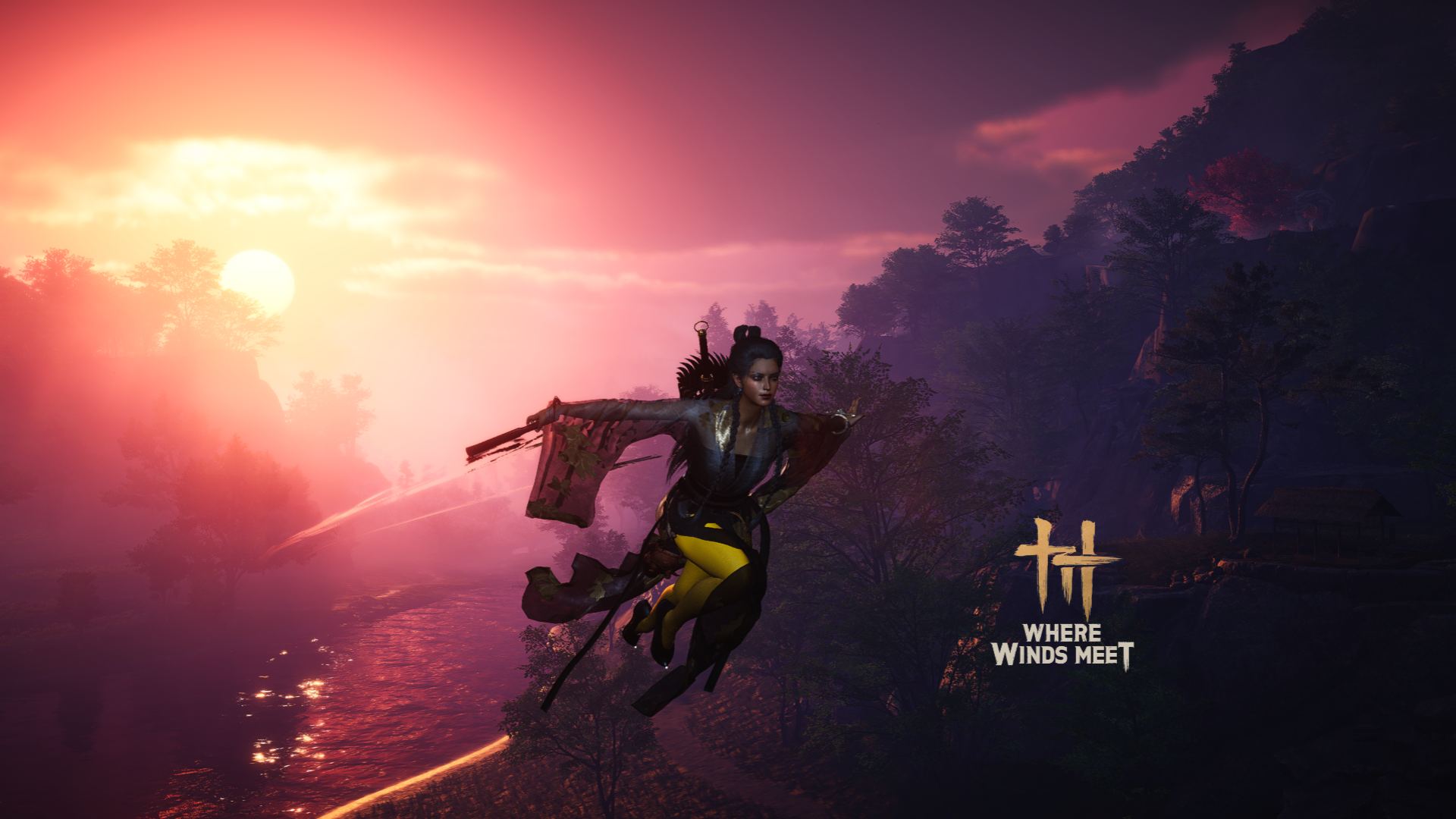
Explore everything because you earn Exploration Points. Each region has its own set of Exploration Points that allow you to unlock different abilities. For example, once you reach 6000 exploration points in Qinghe, you unlock the Fan Glider Lightness Skill, and it is so much fun! You also unlock the "The Promised Light" quest which will lead you to Halo Peak to unlock the Yaksha Rush Mystic Skill.
Exploration isn’t just wandering about aimlessly (although I do sometimes because the music is so tranquil and the game is so beautiful). Exploration includes side quests, mini-games, and collecting oddities to submit to the Oddity Exchange for each region. Also, random encounters may pop up to lead you to a quest that will reward handsomely.
Fan Glider Lightness Skill
Where Winds Meet Teaches Patience
After only one month, this game gives players so much to do, even with the main story quest being time-gated. However, some gamers have complained about the time-gating as well as simply not understanding what’s going on. Thing about this game is that it is deeply rooted in ancient Chinese history and culture and patience is most definitely a skill that rewards you in WWM. I fear too many (not most—I don’t have those figures) are not used to playing games where cultural identity is deeply ingrained throughout the entire gameplay.
Some quests are time-gated in-game. And the game uses 十二时辰 or Chinese Twelve-Shichen system that use the 12 animals of the Chinese zodiac, representing a two-hour period. Some quests are time-gated via real time. The reasons some of these quests are time-gated is to prevent burnout and encourage exploration (to get your skills up). Time-gating also aligns with China’s gaming regulations for minors. So, be patient and just trust the process.
Healing
If there’s one thing you are going to need in this game, it’s healing. Don’t let the beauty and ambiance fool you. These bosses do not play! Not only that, but there are also numerous ways to injure yourself and only certain ways to heal those injuries. Medicine and food buffs are to replenish lost health. But for illnesses like sprains, you must seek out a physician.
Making Medicine
Early on, you will learn the importance of medicine when you visit the Evercare Clinic. There, you will learn to craft medicine and carry a medic kit. As you gain experience, you will be able to craft higher level medicine and increase the amount of medicine you can carry at a time. This is a bit tricky because carry means how many you can use during combat; not how many you have in your bag. So, when you start out, you are only able to use two in combat.
After visiting the Evercare Clinic, you will be able to craft medicine either in your bag or at an Alchemy Station in town.
Cooking Food
Cooking in Where Winds Meet is pretty much the same as other RPGs. You have regular food that heals over time and you have food with buffs. You can learn food recipes by purchasing from NPCs and completing fishing challenges. You can also buy cooked food by increasing your Affinity with different NPCs. They’ll even send you dishes weekly.
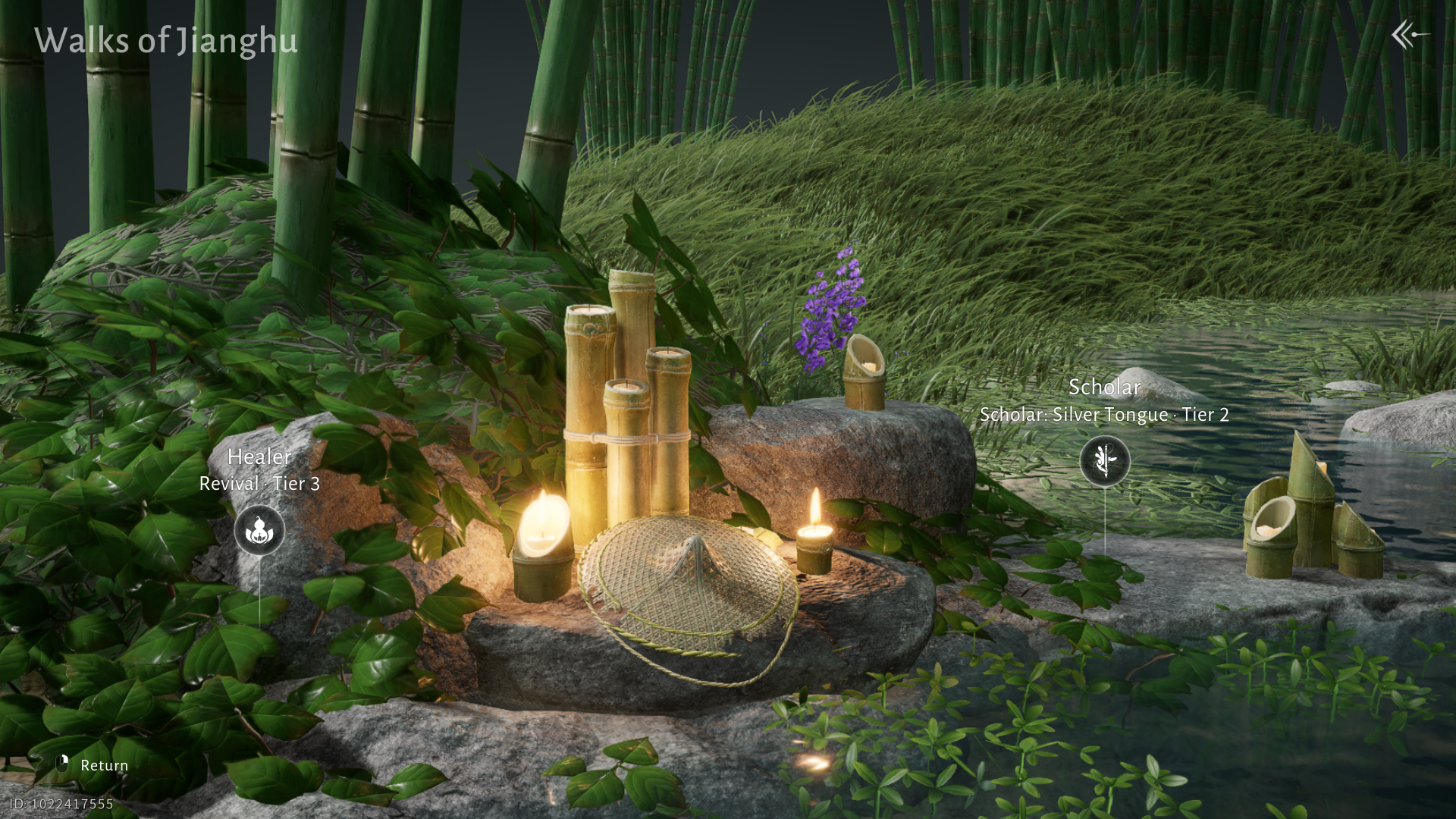
Professions in Where Winds Meet
At present, Where Winds Meet has two professions players can choose: Healer and Scholar.
Healers cure the illnesses and ailments of players and NPCs (including animals) like bone fractures, the plague, hysteria, etc. Even playing in solo-mode, a player can request your healing assistance by posting a bounty looking for a healer. Or a player can go the Professions tab, click on Provide Healing, then click on the Suggested Healer tab to find a healer for their ailment.
Being a Healer is incredibly competitive so joining the Silver Needle Sect, a healing sect, can help with advancement, but it’s still pretty competitive. Leveling up your reputation as a Healer requires Likes. Likes can help you earn Reputation points and Career Notebooks which help with leveling your healing skills and promotion within the sect. There are five phases of healer in the Sect: Keeper, Physician, Chief Physician, Medical Scholar, and Divine Healer. Each has their own responsibilities and perks.
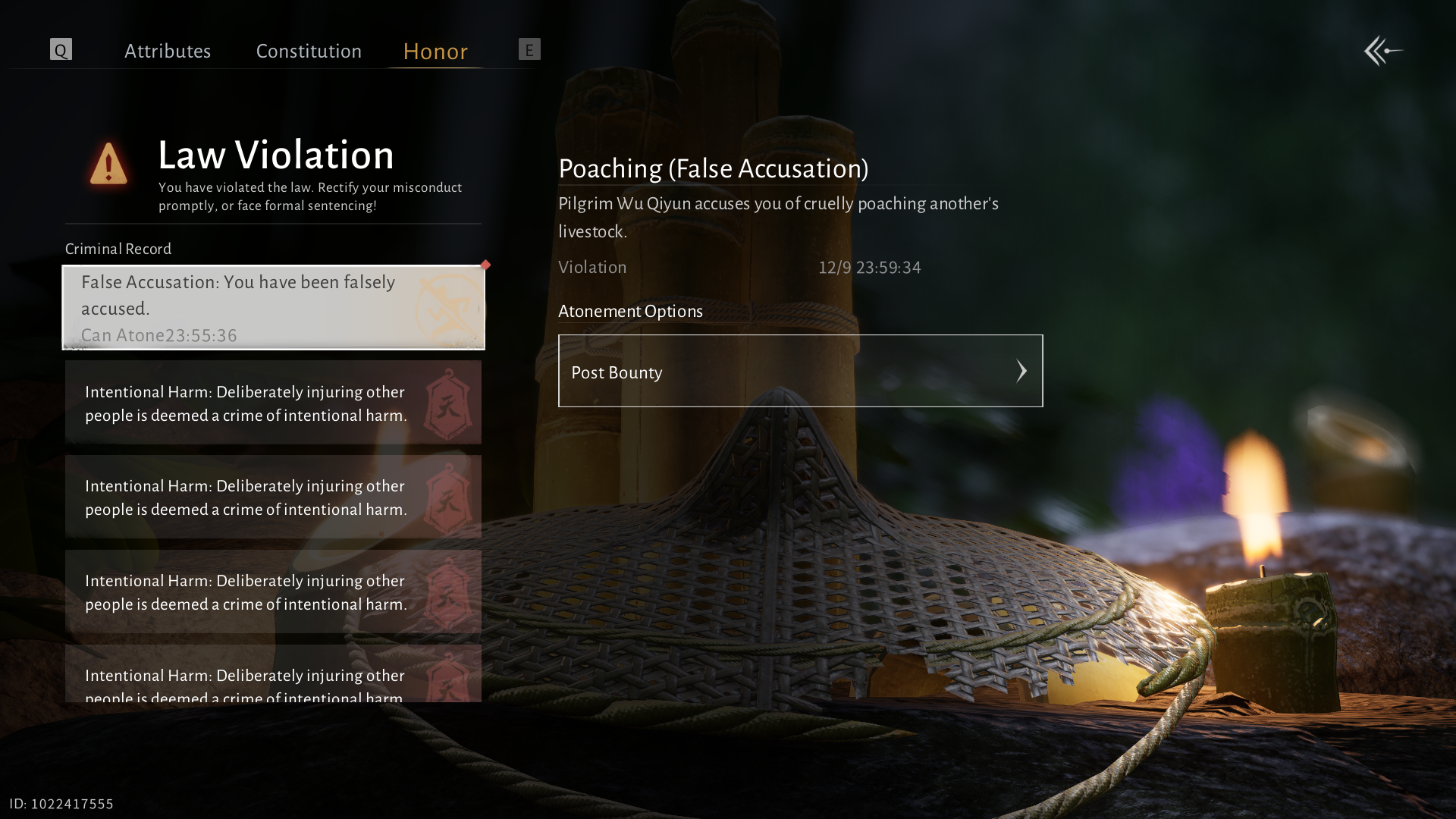
The Scholar profession allows you to use wits, debate via the Gift of Gab mini-game, and use persuasion to influence NPCs. When players receive a bounty for committing a crime, they can hire a Scholar to dispute it. Scholars can also craft talismans for buffs. Talismans are scripts that buff various skills and abilities like increasing endurance regeneration.
Taking on Bounties
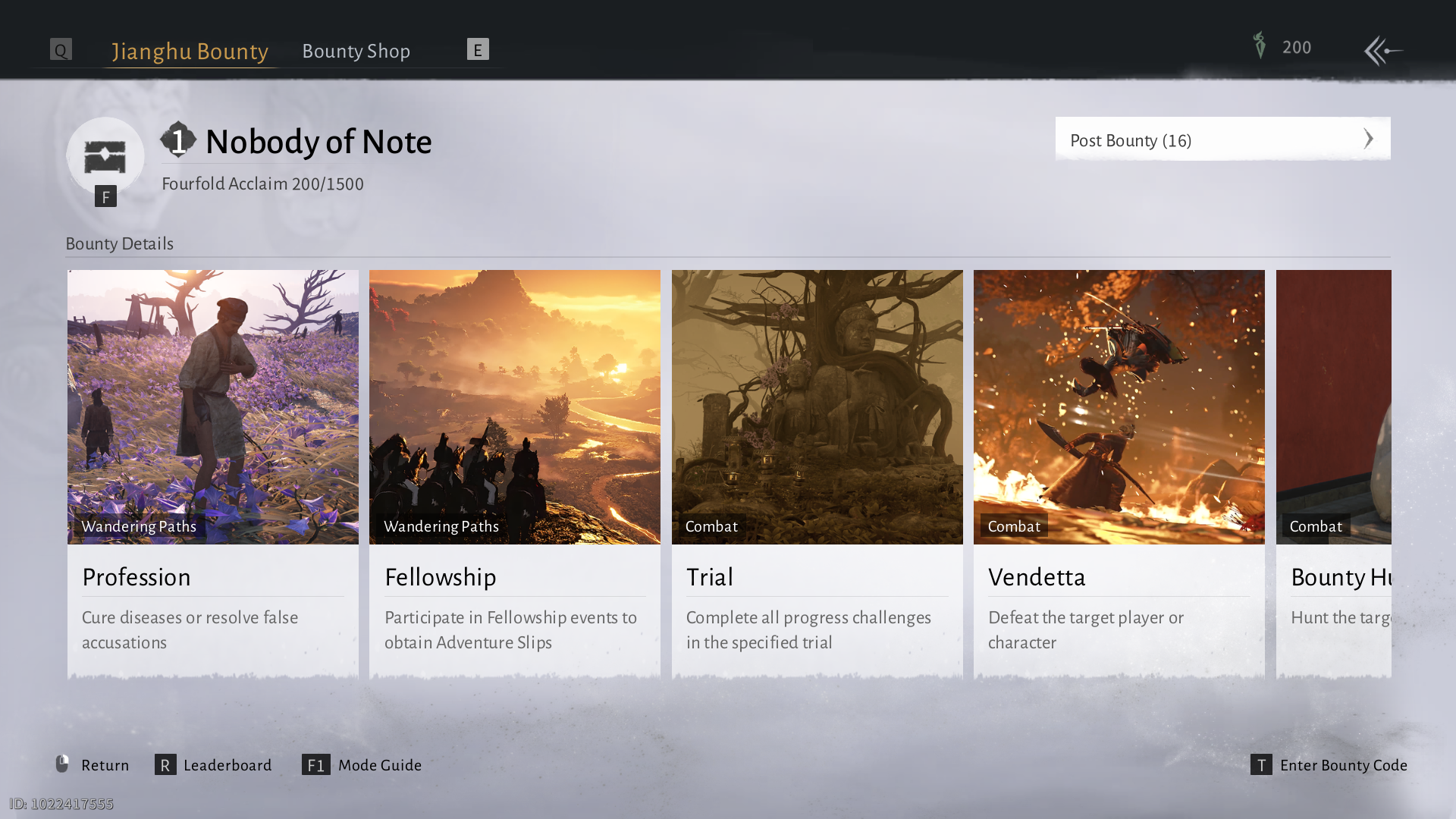
Bounties in Where Winds Meet are contracts that players that can be found on Martial Billboards throughout Yānyún. Bounties offer high rewards for curing other players’ illnesses, capturing criminal NPCs and, players trials, and more. Though a player may be playing in solo-mode, if they have a bounty on them, they have 24 hours, real time, to dispute it. After the 24-hours are up, if the bounty has not been resolved, players can accept the bounty to bring the target to jail. Yes, PvP. Collecting bounties are an great way to make money in Where Winds Meet.
Where Winds Meet has a lot going on and it can be chaotic for some. Hopefully, this guide helped you understand some of the basics. If you have any additional questions or would like me to include something else, please let me know in the comments.