Where Worlds Meet
Lately I’ve been watching my favorite worlds collide in the best possible way. The Fallout television series returned with its second season full of nods to the games that made me fall in love with wandering The Wasteland, while the Five Dynasties and Ten Kingdoms era — one of my favorite periods in Chinese history — is unfolding at the same time in both a new drama and the game Where Winds Meet. All of this is happening during Black History Month and the lead-up to Chinese New Year, a season already steeped in reflection and celebration.
Speaking of Black History Month, there’s one character I’ve been thinking about a lot: Preston Garvey. In a world full of factions pushing for their own version of fascism, Garvey revives the Minutemen not to command, but to care for communities. He asks permission, offers help, and empowers others a quiet, respectful form of leadership that feels especially resonant this month. More on that in a dedicated spotlight below.
Seeing these stories meet in one moment reminds me how expansive it feels when culture, history, and play overlap.
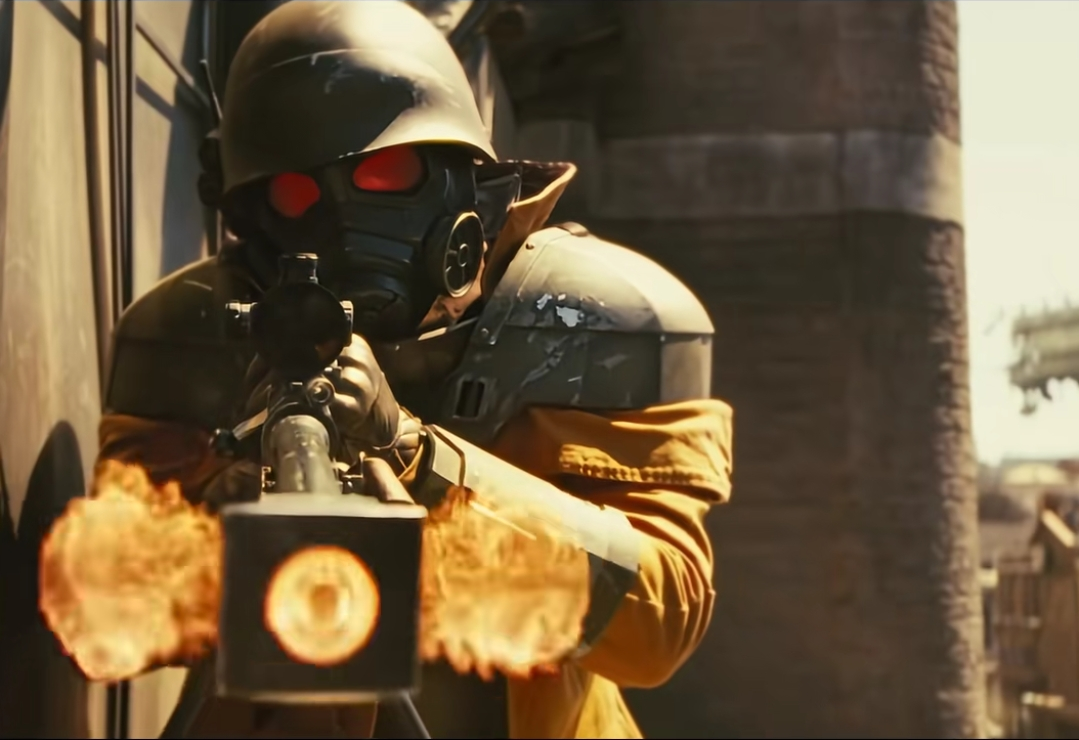
What excites me most about Fallout’s return isn’t just nostalgia. It’s the unforgettable moments filled with easter eggs you had no idea would be there. Unforgettable moments like when Maximus was rescued by the NCR Ranger from Fallout: New Vegas. It was us seeing the iconic NCR Ranger Combat Armor Helmet as the NCR Ranger fired off his shot, in slow motion, to take down the Deathclaws that Maximus was fighting. The fans’ collective reaction online was full of TikToks of cheers and pure chaos and joy. My own reaction? I actually squealed and clapped excitedly as if I were a child in Toys R Us who was just told to go ham! IDC what anyone says; that was my character that came to the rescue!
At the same time, watching the Five Dynasties and Ten Kingdoms era come to life across platforms is its own thrill. Where Winds Meet and Swords into Plowshares don’t treat history like a museum exhibit. WWM animates it. Architecture, clothing, landscapes, and social rituals make you feel like a part of that history. Swords Into Plowshares carefully, methodically, brilliantly tells the stories behind the notes, quests, and mini games.
February has always been a month that asks me to think about heritage. Black History Month centers reflection on legacy and cultural memory, and I love that Chinese New Year often arrives in the same season. It’s a reminder that history isn’t siloed. Multiple stories unfold at once, and we’re lucky enough to witness their intersections. Games and dramas become bridges; they are ways of traveling through cultures with curiosity instead of distance.
My 3 Favorite Historical C-Dramas for the Year of the Horse
February is a month of layered celebration. It is Black History Month, a time to honor resilience, legacy, the relentless pursuit of freedom, and most defiantly, Black joy. It is also the Chinese New Year, and this year is the Year of the Horse, a symbol of vitality, independence, and forward motion.
Though they may feel as if they are not related, to me, they share a deep resonance: both honor the struggle for dignity, the passing down of stories across generations, and the belief that movement, whether toward justice or toward a dream, is sacred. In that spirit, here are three historical C-dramas that carry the same galloping heart.
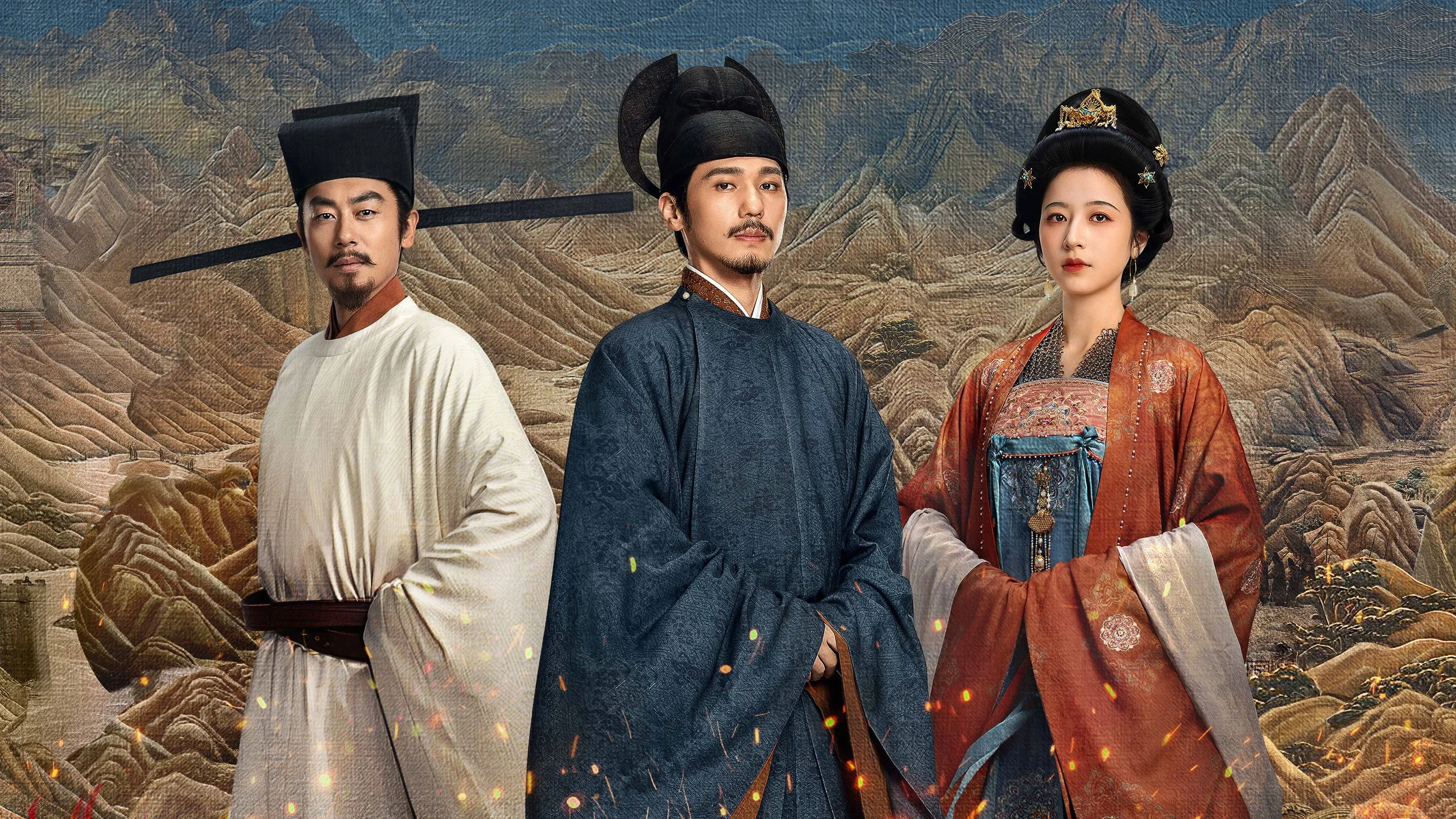
Swords Into Plowshares (太平年)
2026 • iQiyi, Tencent, Mango
Some horses are bred for war; others carry news of peace across mountain passes. This drama honors the latter. It is the quiet, unyielding gallop of a ruler who understood that true victory is measured not in territory gained, but in lives spared. Qian Hongchu spends decades studying governance, reforming corruption, and ultimately choosing unification so his people may never know the sword. It is not a story of conquest. It is the story of a man who laid his armor down.
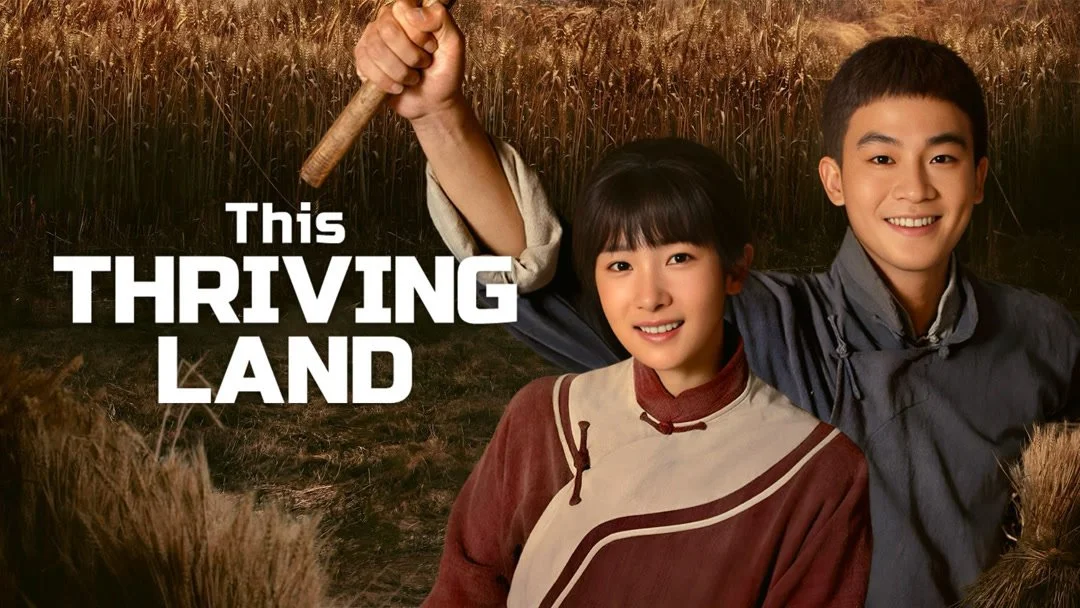
This Thriving Land (生万物)
2025 • iQiyi, CCTV-8
This horse does not race toward battle. It carries a woman back to her village, where she will learn that strength is patience, that prosperity is cultivated, and that peace is not won; it is grown, season by season, root by root. Ning Xiuxiu transforms personal ruin into collective dignity, trading cattle for conflict and herbal roots for weapons. The land does not ask for blood. It asks for hands willing to tend it.
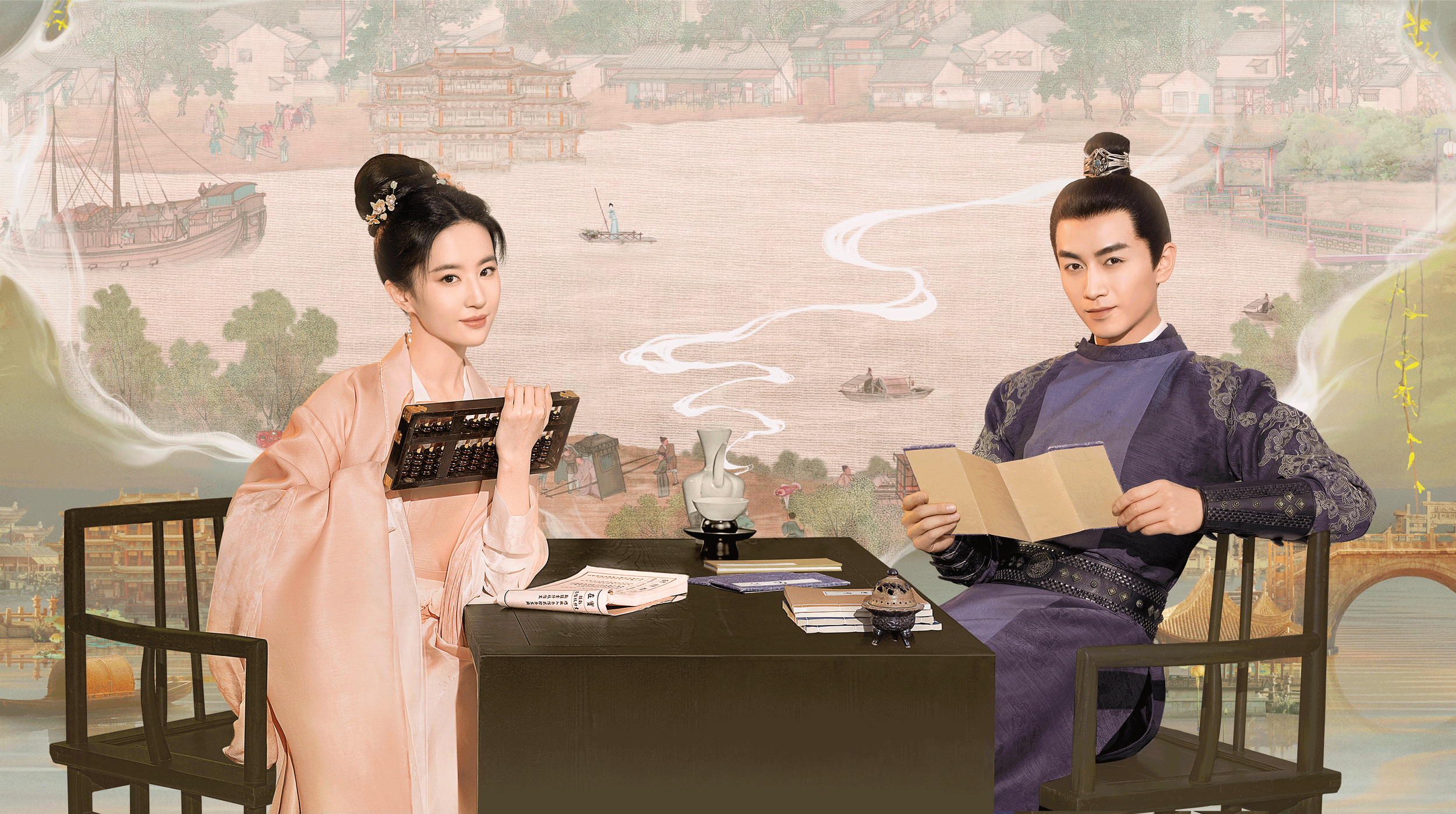
A Dream of Splendor (梦华录)
2022 • Tencent, Viki
She was told that a fallen horse cannot rise again. So, she rose slowly—not for glory, but for the women waiting behind her. Zhao Pan'er builds a teahouse with her hands, then a restaurant, then a life. This is not a story about winning the race. It is about running one anyway, toward a door that was always locked, and finding it unlocked by your own hand. Some hearts gallop not toward freedom, but toward worth. Her stride is no less real.
These dramas remind me that momentum is more than speed; it is intention. Whether in games or period pieces, we are drawn to stories about people who refuse to stay still. That restlessness, that hope, is what Black history honors and what the Year of the Horse invites us to embody. Forward, together.
As February unfolds, I keep thinking about how lucky we are to move between worlds carrying pieces of different histories, cultures, and stories with us as we go.