Where Winds Meet Commerce Coins Guide — How to Earn and Spend Them
Earning Commerce Coins in Where Winds Meet isn’t as hard as some players believe.
In Where Winds Meet (Yānyún Shíliù Shēng 燕云十六声) there were two different types of coins: Copper Coins and Commerce Coins. It’s easy to make Copper Coins, but making Commerce Coins takes some work. If you want to craft better gear, decorate your homestead, join certain events, and/or trade rare items, you need a steady flow of Commerce Coins. With the game being new, players are asking how to make money in Where Winds Meet. Most games loosely refer to in-game currency as gold because so many gamers look for a guide to making gold. So, throughout this brief guide, I may refer to Commerce Coins or other currency as gold.

Feng Chen’s Tradehall where you can buy trade goods and rent property for storage.
Commerce Coins are used to rent a house with Feng’s Trade Hall, buy trade goods, recipes, food, furniture, and some quality-of-life perks. And if you’re like me, you’re already looking for the best way to make money in Where Winds Meet. Here’s what I’ve learned.
What You Need Commerce Coins For
Yānyún rewards exploration and creative problem solving. And there are some creative ways to make Commerce Coins.
As you wander around the jianghu, you will meet merchants who sell rare crafting materials that do not appear in the wild. Furniture dealers across the regions sell exclusive building items and blueprints. Chefs share powerful meals and recipes that have buffs. And they all only accept Commerce Coins.
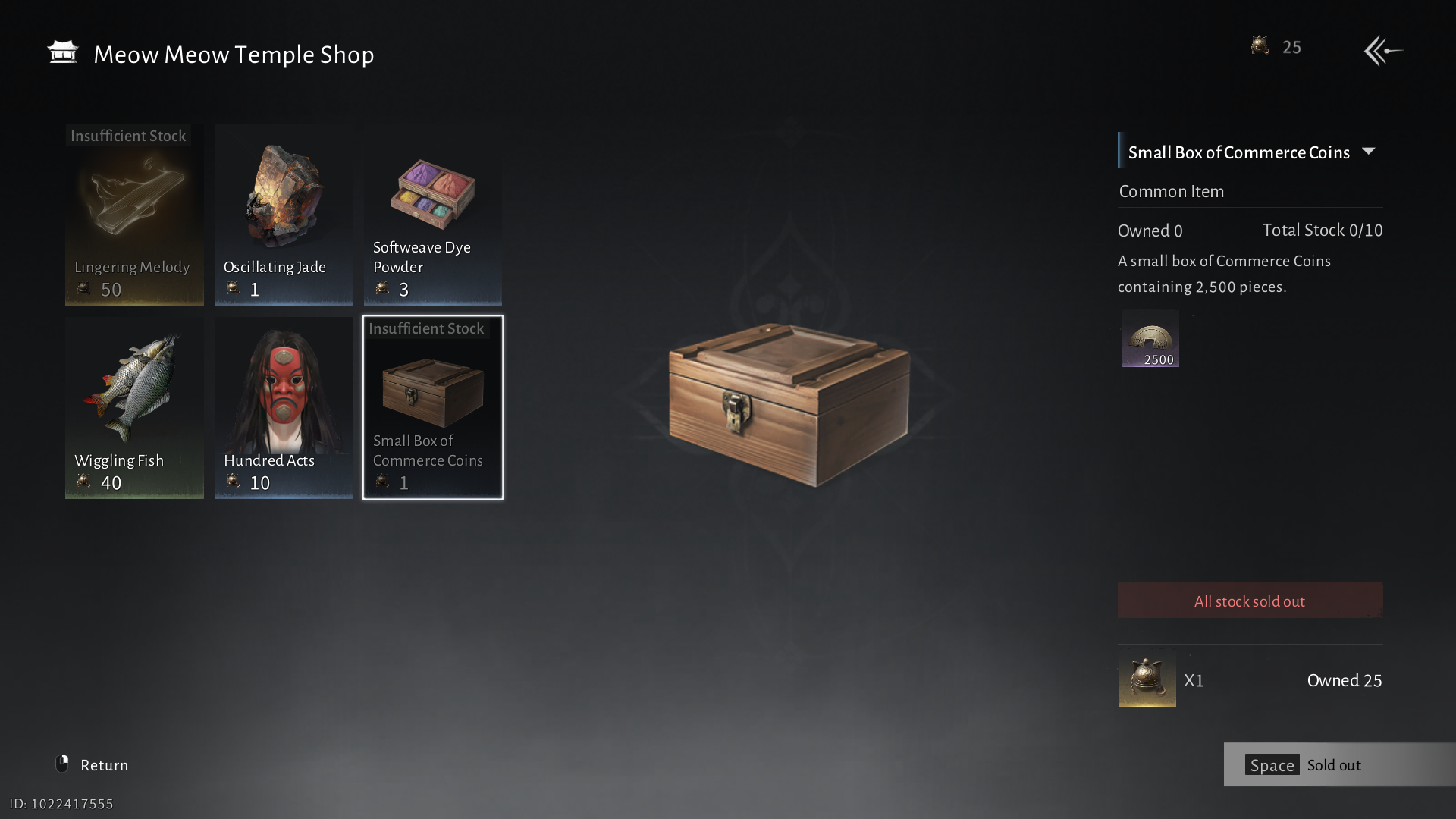
Small Box of Commerce Coins that can be bought at the Meow Meow Temple or or the Season Shop
How to Earn Commerce Coins
Making Commerce Coins in WWM is fairly easy once you learn what those methods are. The main ways to make gold in Where Winds Meet are:
Complete the main quest line. Your first steady income comes from the Main Story quests. One of the many rewards for completing the Main Story is Commerce Coins.
Path to Riches activities where you trade goods through the Trade Commission. These side activities essentially act like the game’s stock market. Each week the Trade Commission will need specific goods. You can purchase that good in your realm. And at the Trade Commission, you can find a list of players who are selling that product at a higher price. You can then ask that player if you can enter their realm to sell at their Trade Commission to earn a profit.
Collect oddities
You will see small tasks across the regions. Many appear in Qinghe or around Kaifeng. They might ask you to deliver goods, solve a quick challenge, or help a town with a minor task. These events reward moderate amounts of Commerce Coins, but they add up fast when you complete them during your normal travel. If you like a relaxed pace, this is perfect for steady income without pressure.
Purchase the Small Box of Commerce Coins in the Season Shop or the Meow Meow Temple Shop in Qinghe
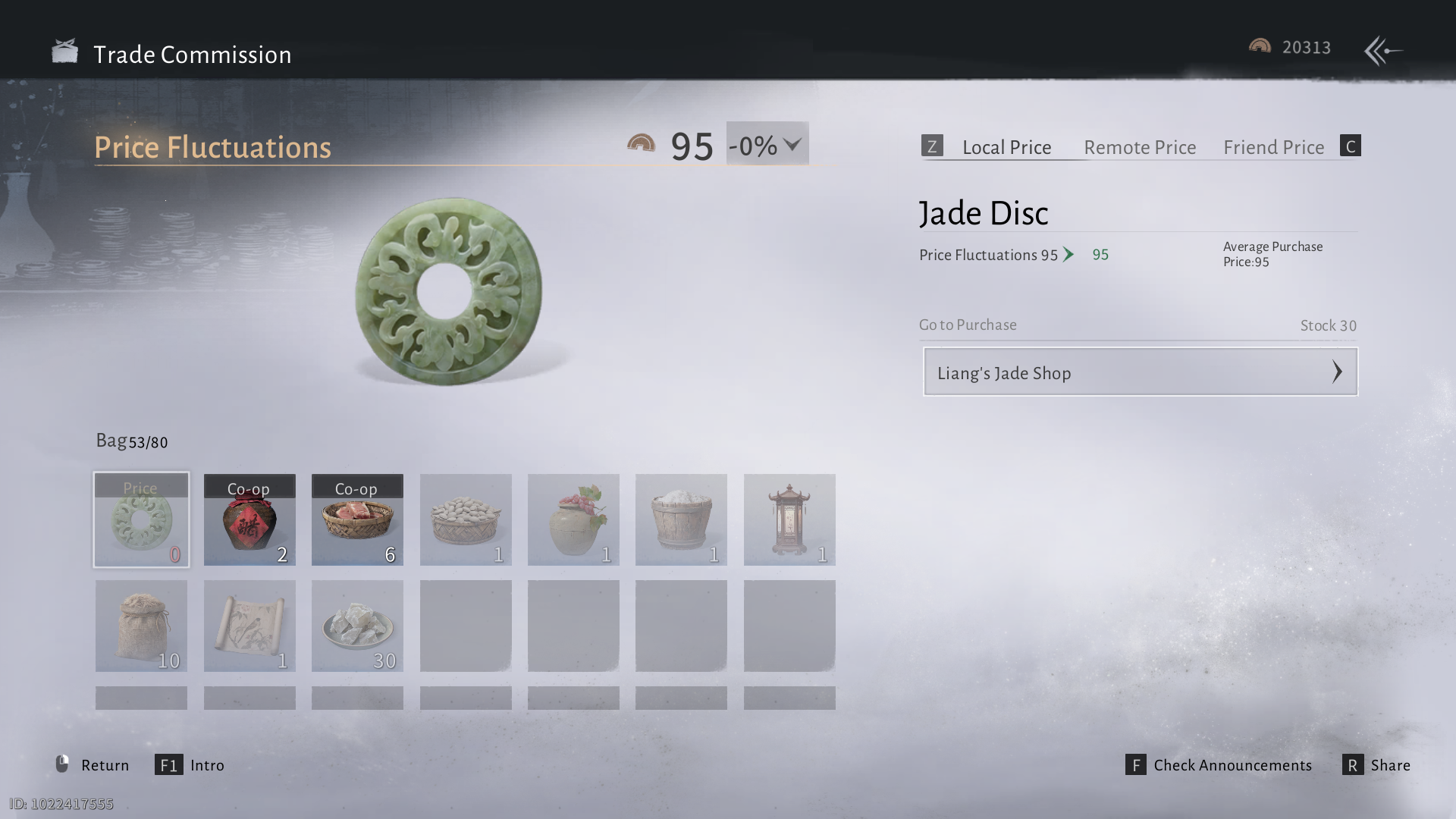
Jade Disc at normal price on home realm
The Kaifeng Trade Commission in Detail
Yānyún rewards patience and this is especially true with the market. Each week the market shifts and prices rise or fall daily. When you buy a resource at an affordable price and sell it during a spike, the profit is noticeable. Rami and Storax are the most notable products that the Trade Commission will seek.
The more storage you own, the more goods you can stack for a future sale. To increase your storage space, you will need to rent a house in Kaifeng. To increase that storage, you will have to get your guild to level 3 and upgrade your warehouse.
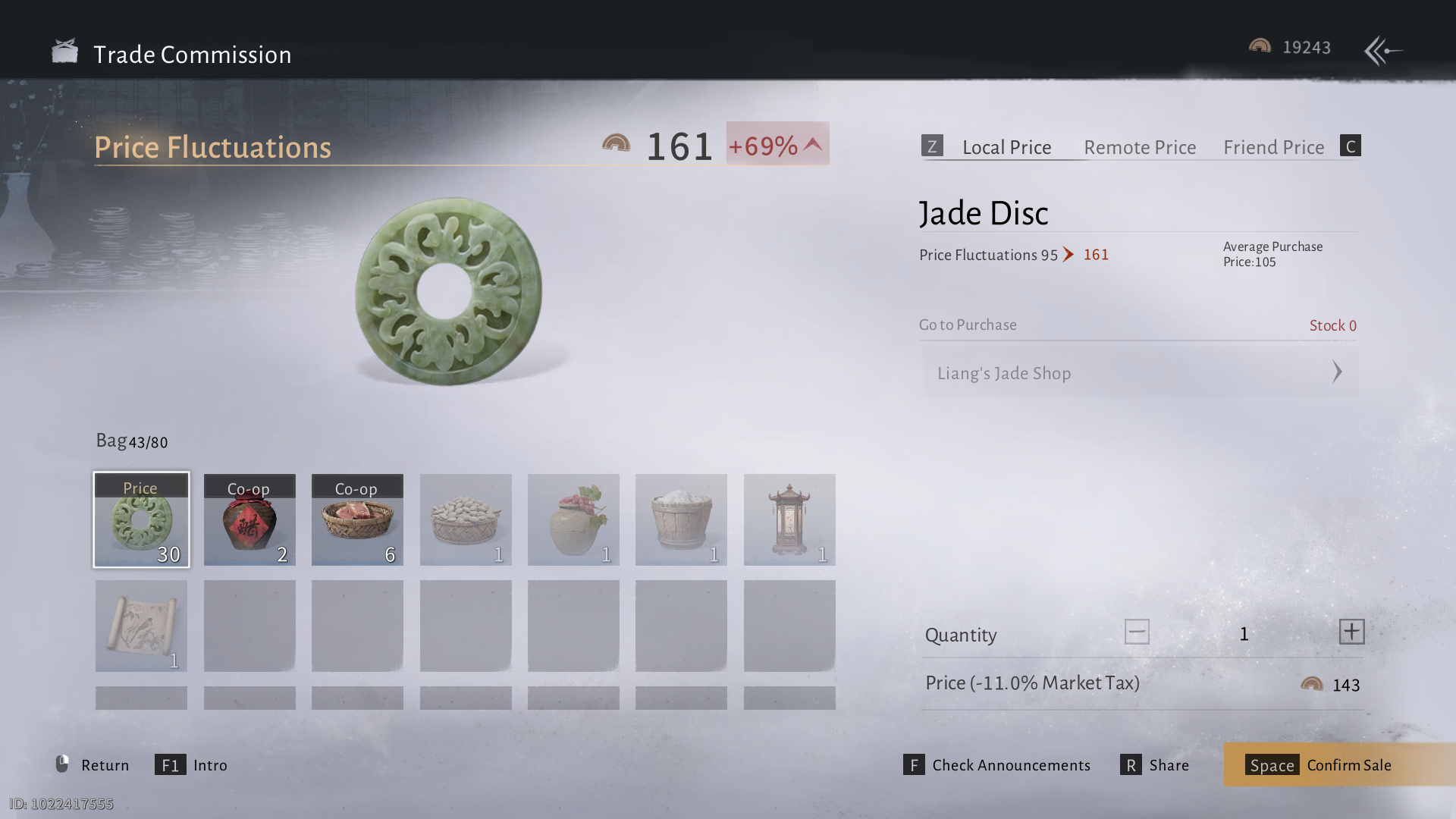
Jade Disc with price fluctuation on home realm
Regional Trade Routes
If you enjoy traveling between towns, this method feels satisfying and purposeful. Some towns hold surpluses while others face shortages. A location recovering from a recent crisis might pay extra for medical supplies or building materials. This is actually how we are first introduced to the Trade Market in Kaifeng (spoiler: we get scammed and have to make money).
Talk with NPCs and check local boards. The economy changes, so your opportunities change with it. This keeps the system lively without feeling repetitive.
Treasure Hunts, Puzzles, and Secret Areas
In Yānyún, play Xiangqi (traditional Chinese chess) and complete various challenges and tasks throughout your travels. These challenges and mini games many reward you with Commerce Coins.
Side note: Why do I refer to the world in Where Winds Meet as Yānyún? While researching (I’m a huge fan of Chinese history and culture and have been learning Putonghua (Mandarin) for about two years now), I learned that Yānyún was a region that was a strategic frontier between Han Chinese dynasties and northern nomadic empires for centuries. Its loss to the Khitan Liao dynasty was a pivotal moment in Chinese history.
Yan refers to the ancient state of Yan and the area around modern Beijing and Refers to the Yunzhou area, around modern Datong in Shanxi. The game’s regional title is Yānyún Shíliù Shēng Yānyún Sixteen Prefectures for the sixteen prefectures that we will be exploring in the game. Meaning, there is a lot more content coming for us in Where Winds Meet.