Preston Garvey and Community Lessons in Fallout
Preston Garvey and the Power of Community: Lessons from Fallout for Black History Month
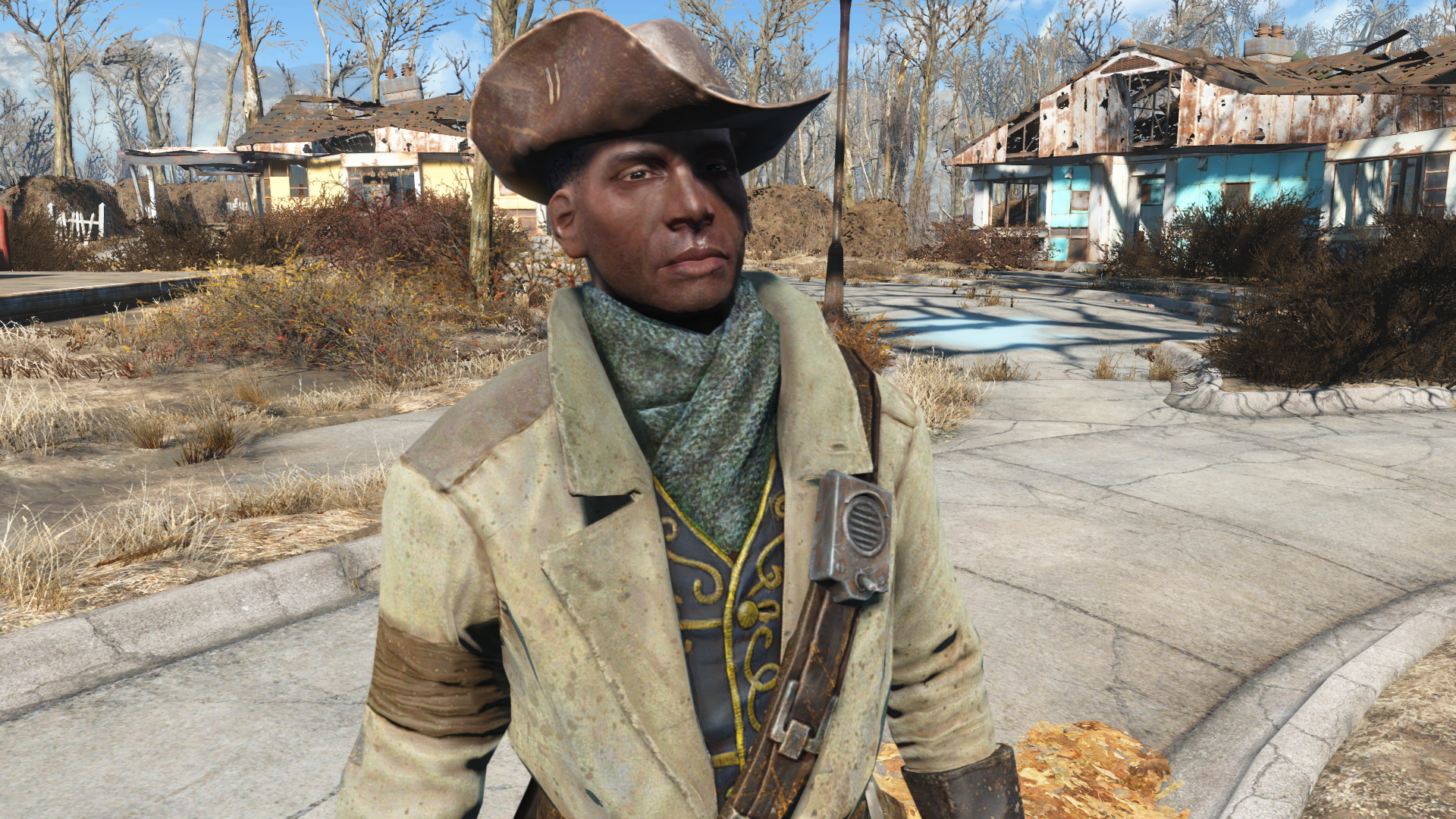
Last month, I said, “…games are funhouse mirrors of the societies we live in…” Games do have a unique ability to mirror the world around us. Not only do they mirror our world through their environments and stories, but in the values they highlight. In Fallout 4, Preston Garvey stands out as a beacon of community care in the chaotic, often morally ambiguous Wasteland. Sure, there’s a running joke about how Preston is always calling us to help another settlement. However, while other factions demand loyalty or push their own agendas that mirror some form of fascism, Garvey revives the Minutemen with a singular purpose: to help people, empower settlements, and create systems of support without coercion.
What makes his leadership remarkable isn’t just that he builds a network of assistance; it’s how he does it. He never says, “Make them join if we help them.” Instead, it’s always, “Ask them,” or “Maybe they’ll consider joining if…” This insistence on consent and respect for individual choice mirrors a value I see repeatedly in Black American movements: collectivism rooted in care, community, and the empowerment of others.
During Black History Month, we often celebrate the legacies of activism, mutual aid, and shared progress. From grassroots initiatives to large-scale movements, Black Americans have continually created networks that lift each other up, teach resilience, and build stronger communities. Garvey’s approach in the Wasteland reads like a mini guide to these values: support first, influence second, always with consent.
This philosophy resonates within gameplay too. Choosing to aid settlements, assist NPCs, and participate in the Minutemen’s revival transforms the way you experience the Wasteland. It shifts the game from a checklist of objectives to a living, breathing world shaped by relationships and care for communities you literally help build. Every choice is a statement about what you value in leadership and community.
What’s also compelling is how this ethos contrasts with other factions in the game. The Brotherhood of Steel, The Institute, even The Railroad to an extent, push strict hierarchies, rigid ideals, or coercive tactics. They seek control first, loyalty second. In doing so, they create tension, yes, but also a mirror for the real-world dangers of leadership divorced from ethics. Garvey, by contrast, models how influence can be exercised with responsibility, empathy, and humility.
Extending this beyond Fallout, I think about games as cultural texts. Characters like Garvey remind us that media can subtly teach principles we hold dear: care, consent, and empowerment. These lessons are particularly meaningful to me during Black History Month, a time for reflecting on the stories and values that shape our communities. It’s not just about representation; it’s about the kind of representation we want. It’s about agency and integrity we model in everyday life, in both virtual and real spaces.
Garvey’s example illustrates the broader potential of games to honor culture. By highlighting leadership styles rooted in ethics and care, games can echo real-world values, encouraging reflection and empathy. And it doesn’t have to be didactic; players discover these lessons through exploration, choice, and relationship-building. The beauty is in the subtlety: one conversation with a settlement leader, one quest completed with respect for others, can convey profound insights about community, leadership, and moral responsibility.
In the end, Preston Garvey is more than a quest-giver or faction leader. He’s a reminder that leadership can be an act of service, that influence works best when it is consensual and nurturing, and that community, whether in the Wasteland or in our own lives — thrives when care is at its foundation. During Black History Month, I find it inspiring to see a character in gaming embody principles that echo centuries of resilience, collectivism, and mutual aid.
Whether you’re helping settlements in Fallout, exploring new worlds in games like Where Winds Meet, or reflecting on real-world communities, the lesson is clear: empower, care, and lead with respect. That is how worlds — digital or real — become truly worth visiting.
If you enjoyed this article, there’s plenty more in the Alt + Play newsletter.